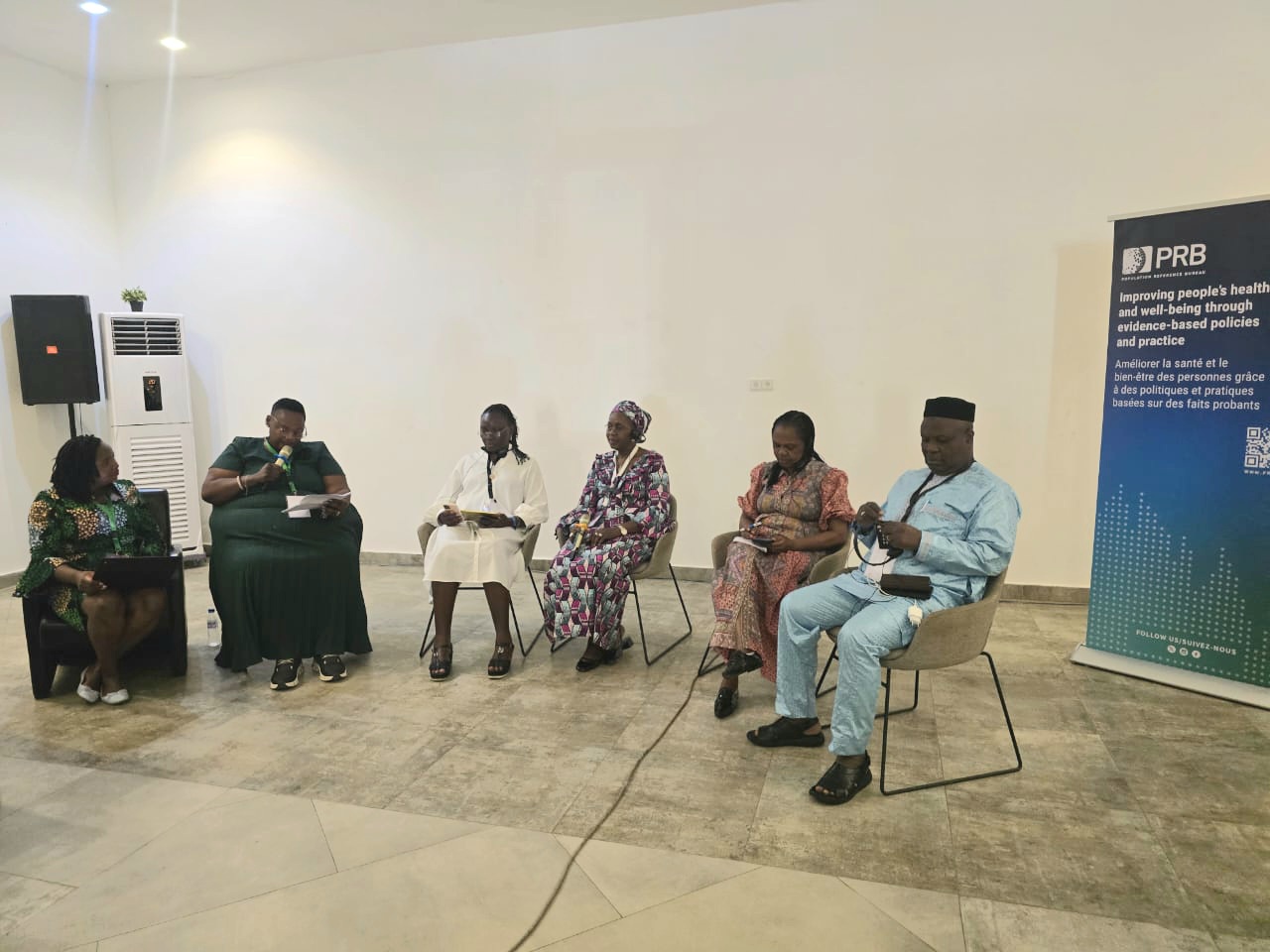
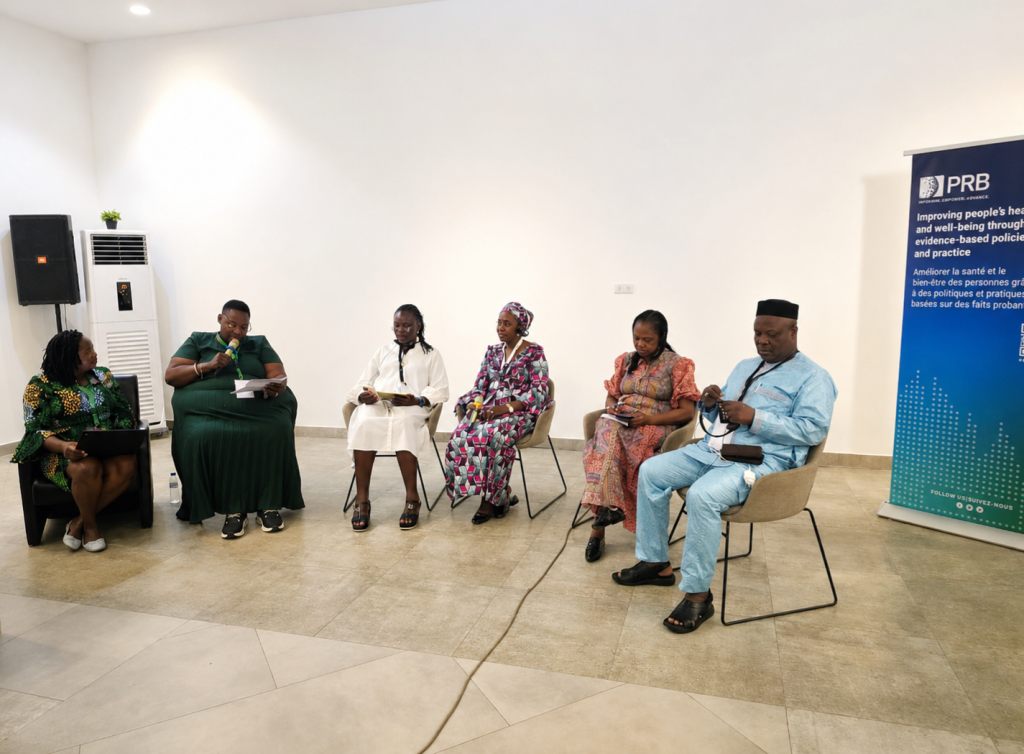
Chairperson of the Zimbabwe Women Parliamentary Caucus, Honourable Maybe Mbohwa speaks in Senegal
BY MUNYARADZI BLESSING DOMA
The Parliament of Zimbabwe has stepped up efforts to push for policy and legislative changes to address the burden of unpaid care and domestic work, which continues to disproportionately affect women and girls.
Chairperson of the Zimbabwe Women Parliamentary Caucus, Honourable Maybe Mbohwa said this at the National Transfer Accounts (NTA) Conference in Senegal.
The conference is expected to strengthen efforts towards the recognition, redistribution and reduction of unpaid care work (UCDW) in Zimbabwe, Benin and Kenya.
Honourable Mbohwa added that the caucus was lobbying for policy and legislative change on issues including unpaid care and domestic work.
“Within the Parliament of Zimbabwe, we also have what we call Gender Champions-Members of Parliament who help us advance the causes we are championing,” she said.
She said Speaker of Parliament Honourable Jacob Mudenda was the caucus’ number one Gender Champion in Parliament and the country.
“Allow me to highlight that the Parliament of Zimbabwe has made significant progress in advocating for policies and legislation on unpaid care and domestic work,” she said.
She revealed that the advocacy drive began in 2024 through engagements with parliamentarians, with the Women’s Academy for Leadership and Political Excellence (WALPE) spearheading the work as the implementing partner in Zimbabwe.
And she added that WALPE hosted an introductory breakfast meeting before conducting a series of capacity-building workshops for female parliamentarians and male champions.
Honourable Mbohwa said the workshops helped MPs gain a deeper understanding of unpaid care and domestic work, its significance and why it matters for Zimbabwe.
One of the key lessons was the importance of aligning advocacy efforts with international conventions and the Constitution of Zimbabwe, which support women’s empowerment and economic participation.
The issue has also been backed by evidence from the 2025 Time Use Survey conducted by the Zimbabwe National Statistics Agency (ZIMSTAT).
The survey found that women nationally spend nearly three times as much time on unpaid care and domestic work as men.
She added that nearly nine out of every 10 women and girls participate in unpaid domestic work every day, compared to just over half of men.
Honourable Mbohwa said the figures demonstrated that unpaid care and domestic work could no longer be treated as a peripheral issue.
“These findings reinforced our understanding that addressing unpaid care and domestic work is not a side issue. It is central to harnessing Zimbabwe’s demographic dividend, promoting gender equality, and unlocking women’s full economic and leadership potential,” she said.
She said the disproportionate burden of unpaid care work limits the opportunities available to women and girls.
“When women spend most of their time performing unpaid care work, they have less time for education, paid employment, entrepreneurship, leadership, and participation in decision-making processes.”
The parliamentary push is therefore seeking to strengthen recognition of unpaid care and domestic work as an important issue in Zimbabwe’s development and gender equality agenda.
According to PRB, at first glance, the conference may appear to be a scientific conference focused on demographic and economic analysis.
“In reality, the NTA Africa Conference represents something much more important: a space where Africa’s development challenges are being reframed, not only in terms of data but also in decision-making.
“Across the continent, countries are undergoing profound demographic transformations. These shifts are placing increasing pressure on health systems, education, labour markets, and social protection.
“At the same time, the care economy—largely invisible in traditional economic frameworks—has become central to how societies function, absorb shocks, and sustain human capital. “The challenge is no longer simply to understand these dynamics but to translate them into policy,” reported the PRB.
It was further revealed that the conference comes at a critical time for the recognition of care work across Africa, with countries making progress in developing policies and legal frameworks on unpaid care and domestic work.