BY MUNYARADZI BLESSING DOMA
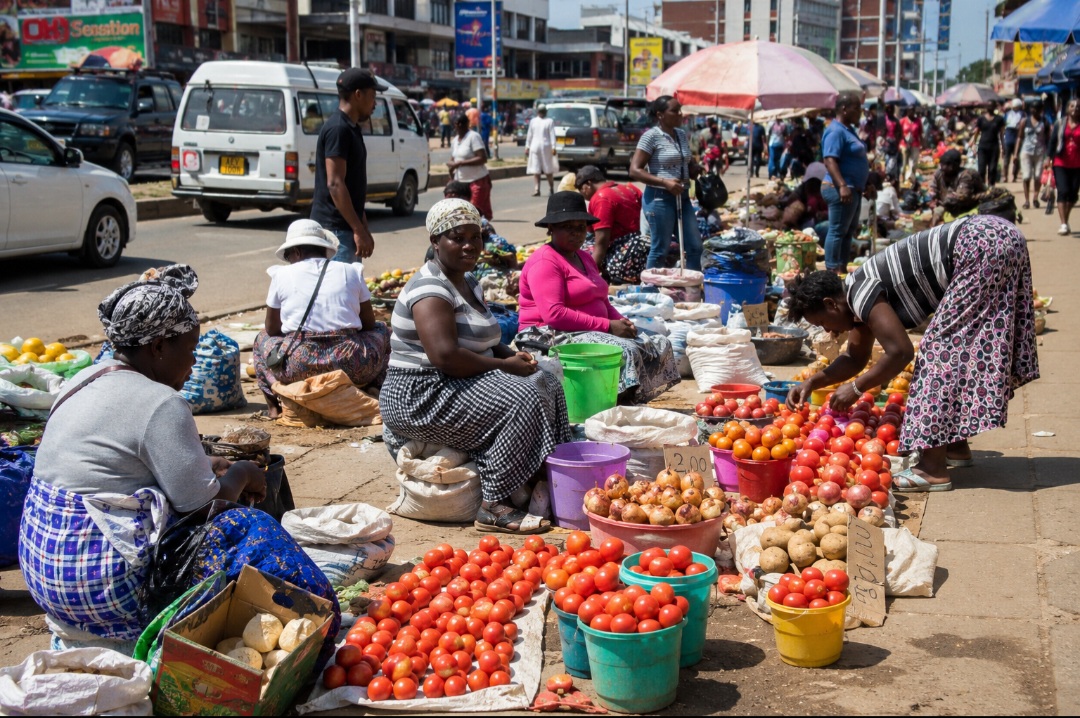
The Women’s Academy for Leadership and Political Excellence (WALPE) has called on the Government and local authorities to provide clear, affordable and safe trading alternatives before removing informal vendors from undesignated spaces.
The call comes as the Government’s nationwide clean-up operation approaches, with vendors given until September 9, 2026 to vacate undesignated trading spaces.
While acknowledging the need for clean, safe and orderly cities, WALPE warned that removing vendors without providing viable alternatives could worsen poverty among already vulnerable women who depend on informal trading to support their families.
WALPE said authorities should provide clear and viable alternatives before removing vendors from their current trading spaces, including making public information on designated markets, available spaces, locations, fees and requirements.
The organisation also wants women vendors and their representative organisations to be consulted before enforcement measures are implemented.
“Where are the alternatives?” WALPE quizzed, questioning whether there are enough spaces for vendors who will be required to relocate and whether those spaces are affordable, accessible and safe.
The organisation expressed concern that previous clean-up exercises had failed to permanently resolve informal trading, with vendors eventually returning to the streets.
And WALPE said authorities therefore needed to examine the economic conditions forcing people, particularly women, into informal trading instead of repeatedly treating vendors as an urban-order problem.
“Clean cities must not come at the cost of women’s livelihoods,” the organisation said.
It further called for designated markets to be equipped with essential infrastructure and services, including water, sanitation, lighting, security and storage, to make relocation sustainable.
WALPE also urged authorities to ensure that the clean-up does not disproportionately affect women, young people, women with disabilities and other vulnerable groups.
Beyond relocation, the organisation said Government should address the underlying economic challenges driving informal trading by creating and expanding decent formal employment opportunities so that women are not forced into vending simply to survive.