BY NYARADZO CHITUNGO
Zimbabwe has reaffirmed its commitment to science-based elephant conservation and sustainable wildlife management as the country joins the world in commemorating World Elephant Day.
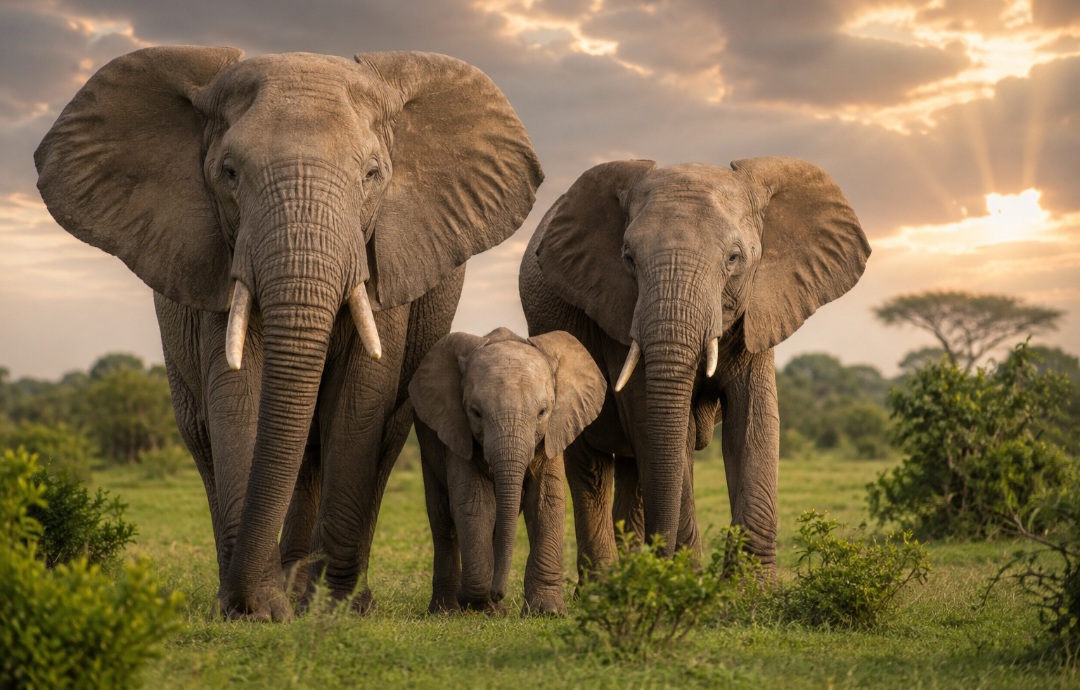
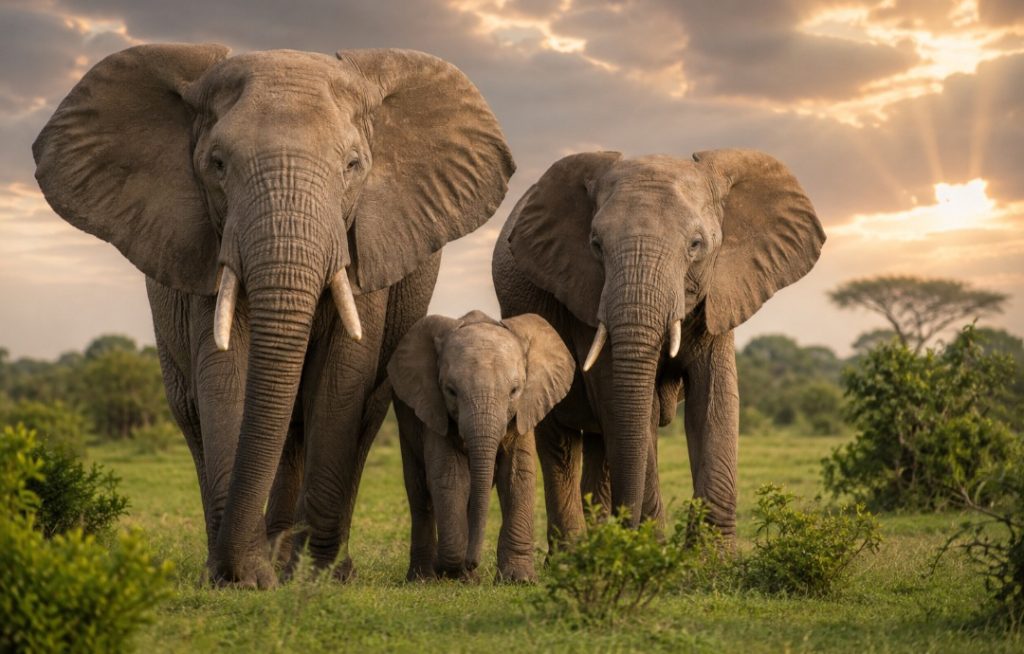
Zimbabwe is home to an estimated 100,000 elephants, making it one of Africa’s countries with the largest elephant populations.
The country continues to strengthen efforts to protect the animals through anti-poaching operations, ecological monitoring, habitat protection and measures to reduce human-elephant conflict.
Zimbabwe Parks and Wildlife Management Authority (ZimParks) is implementing the Zimbabwe Elephant Management Plan (2026–2036) to guide the long-term management and conservation of the country’s elephant population.
Under the plan, ZimParks conducts aerial and ground surveys, monitors elephant populations and ecosystems, manages habitats, tracks wildlife diseases and carries out targeted research to support evidence-based decisions.
ZimParks Director General Professor Edson Gandiwa said elephants play an important role in biodiversity, tourism, ecosystems and rural livelihoods.
“Elephants are central to biodiversity, ecosystem resilience, tourism, and rural livelihoods. Their conservation requires continued collaboration among Government, communities, conservation partners, the private sector, and the global community,” he said.
Zimbabwe also works with neighbouring countries through the Kavango-Zambezi Transfrontier Conservation Area (KAZA TFCA) to protect wildlife across national borders and maintain important habitats and migration routes.
The country says cooperation with communities, conservation organisations, the private sector and other stakeholders remains critical to reducing human-wildlife conflict and ensuring that conservation benefits both people and nature.
As Zimbabwe marks World Elephant Day, ZimParks is calling for stronger collaboration to protect elephant populations, preserve habitats and promote sustainable conservation for future generations.