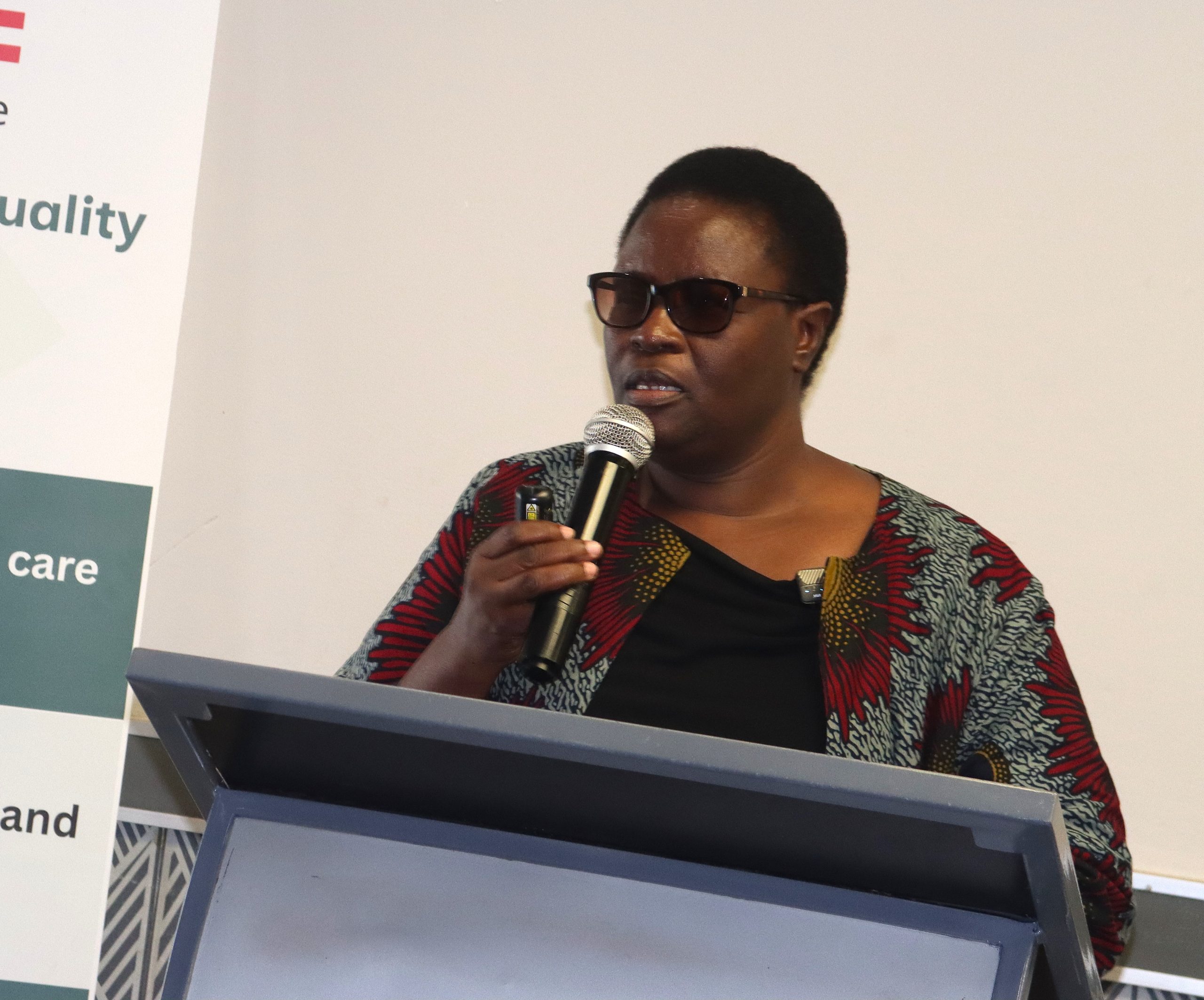
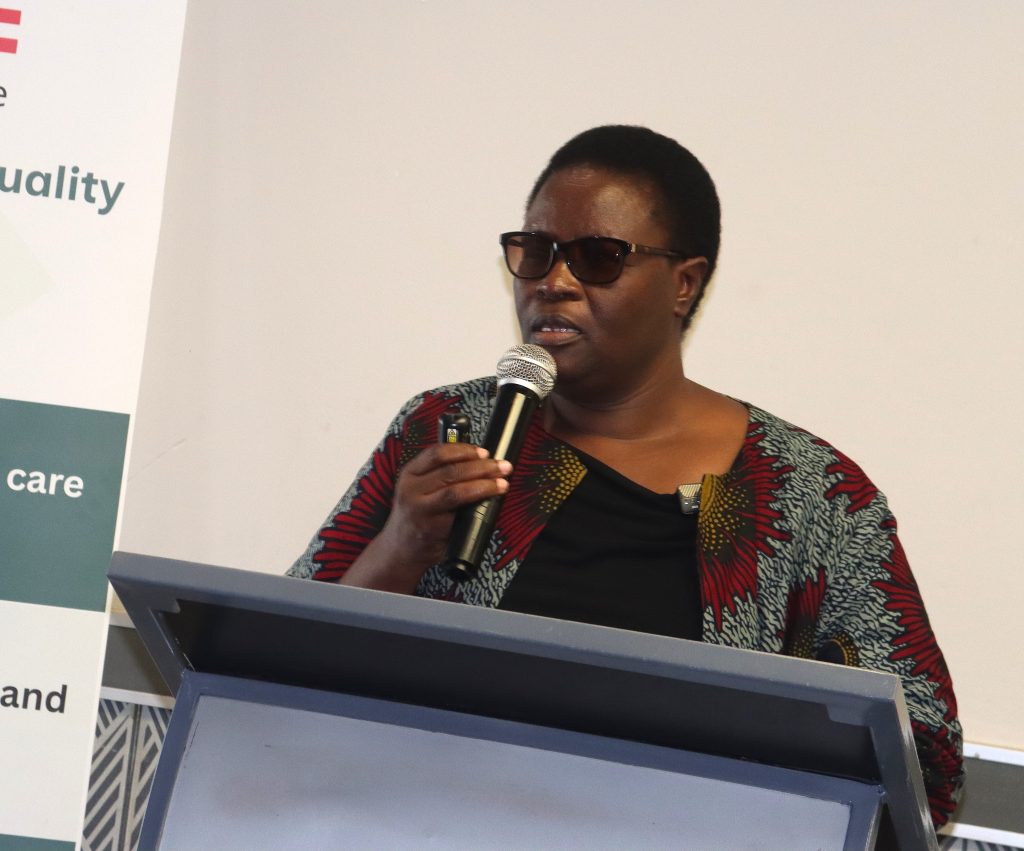
Ministry of Health and Child Care, HIV Prevention Officer Dr Idah Moyo
BY MUNYARADZI BLESSING DOMA
The selection of sites for the phased rollout of Lenacapavir (LEN), the new long-acting injectable HIV prevention medication, was not done by chance but was carefully guided by scientific evidence, HIV burden data and risk perception, a senior Ministry of Health and Child Care official has said.
Speaking during a Ministry of Health and Child Care media training workshop on Lenacapavir, facilitated by OPHID and the Health Communicators Forum with support from the United States Government, Ministry of Health and Child Care, HIV Prevention Officer Dr Idah Moyo explained that Zimbabwe’s phased rollout strategy was designed to ensure that the medicine reaches populations and districts with the greatest HIV prevention needs first.
LEN was Introduced in Zimbabwe in February 2026 and it is administered twice a year, adding onto the other pre-exposure prophylaxis (PrEP) choices.
Dr Moyo said while there can be questions on why LEN is only available at selected facilities, the decision was informed by data showing where HIV infections are most concentrated.
“Zimbabwe is introducing LEN in a phased approach, prioritising populations and districts with the greatest HIV prevention needs,” said Dr Moyo.
She noted that despite significant progress in reducing HIV incidence, the epidemic remains geographically concentrated in certain parts of the country.
According to 2024 estimates, Zimbabwe recorded 14,987 new HIV infections, with women accounting for 60 percent of those infections, while adolescent girls and young women contributed 22 percent.
“Fifteen districts in the country account for 50 percent of people living with HIV, while 10 districts account for 60 percent of people living with HIV. Therefore, when we roll out LEN, we are taking it (LEN) to where there is the greatest burden or greatest need,” she said.
Dr Moyo said Harare alone carries approximately 13 percent of the national HIV disease burden, making it one of the key areas for the initial rollout.
She said the Ministry also considered HIV incidence trends and PrEP uptake levels between 2023 and 2025.
Dr Moyo also revealed that the phased implementation prioritises populations considered to be at substantial risk of acquiring HIV, including adolescent girls and young women, female sex workers, pregnant and breastfeeding women, high-risk men and sero-discordant couples.
Dr Moyo stressed that the site selection process was data-driven and aimed at maximising impact while ensuring efficient use of available resources.
“We focused on areas where there is high HIV incidence, more numbers of new infections, and we also looked at PrEP uptake for the period 2023 to 2025,” she said.
Current districts for the LEN phased rollout are Bulawayo, Harare, Kwekwe, Gweru, Gwanda, Rusape and Shamva.
And the 11 sites are Cowdray Park Clinic, Khami CeSHHAR Clinic, Bambanani NSC, Overspill Polyclinic Epworth, New Africa House NSC, Kwekwe General Hospital, Gwapa Clinic, Mkoba 11 Polyclinic, Pakama Clinic, Rusape General Hospital and Shamva District Hospital.
Zimbabwe was selected in July 2025 as one of nine countries eligible to receive LEN through Global Fund support because of its potential to achieve significant impact in HIV prevention, existing HIV prevention programmes and readiness to rapidly introduce the medicine.
The initial rollout targets approximately 4,000 clients under a Global Fund-supported programme.
Dr Moyo said while demand for Lenacapavir has been encouraging, with some clients travelling long distances to access the service, this presents both opportunities and challenges for programme monitoring.
“The fact that people are moving from different locations to access LEN shows that people are interested in taking it up. However, if clients are coming from far away, it becomes difficult to monitor that cohort because ideally you want people within the vicinity of the facility,” she said.
She added that before sites were selected, authorities conducted facility readiness assessments, developed operational guidelines, trained healthcare workers and undertook community sensitisation activities to ensure smooth implementation.
Dr Moyo emphasised that the phased rollout should not be interpreted as exclusion of other areas but rather as a strategic public health approach aimed at directing limited resources to where they can have the greatest impact in preventing new HIV infections.
She emphasised that LEN comes in as an additional PREP choice and it is NOT a vaccine and is NOT a cure for HIV infection.
Dr Moyo also reiterated that LEN is not a replacement for antiretroviral therapy and it is not for protection against STIs or pregnancy.
As the country continues expanding HIV prevention options, health authorities believe the targeted introduction of LEN will strengthen the (country’s) combination HIV prevention strategy and contribute to reducing new HIV infections among populations most at risk.