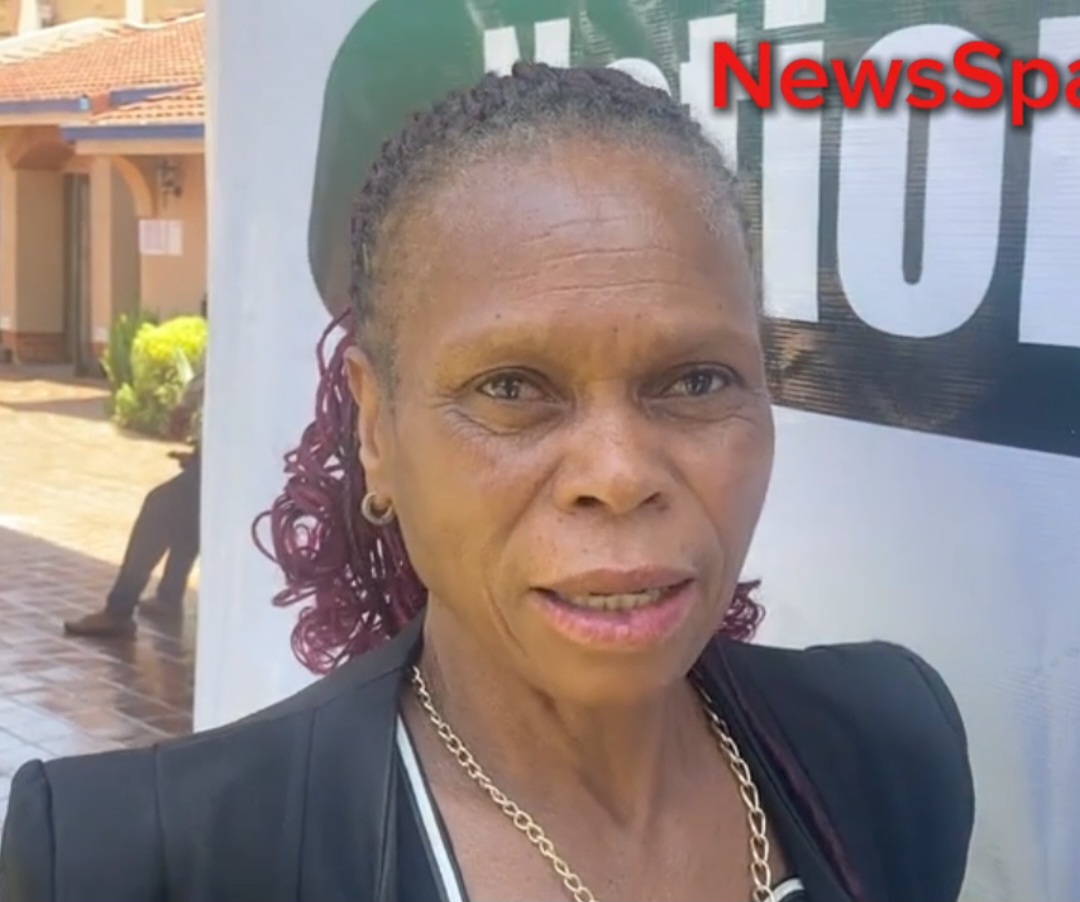
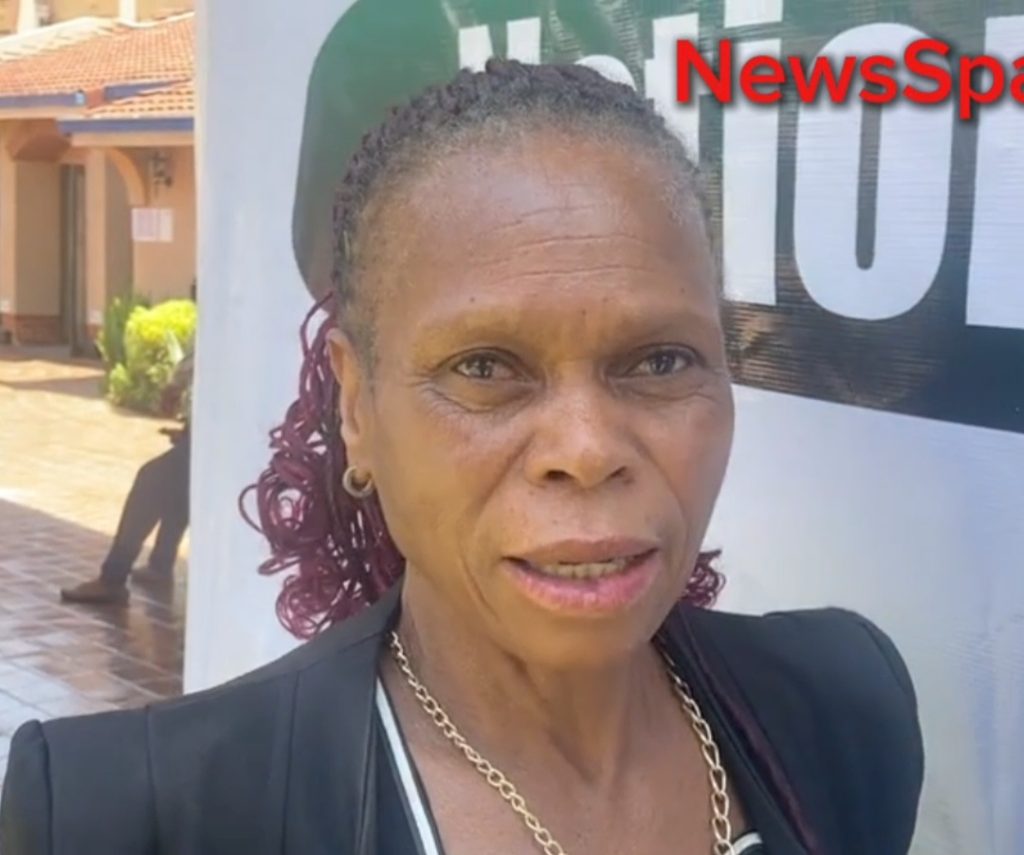
Felistas Machobani, TB Survivor
BY MUNYARADZI BLESSING DOMA
A tuberculosis (TB) survivor has revealed that seeking early screening, testing and treatment for the disease, can help reduce the risk of developing drug-resistant tuberculosis (DR-TB), which is more difficult and costly to treat.
In a wide ranging interview, Felistas Machobani, a TB survivor, said many people continue to ignore persistent signs and symptoms, allowing the disease to worsen before seeking medical attention.
Machobani says she has taken it upon herself to urge people to go for TB screening so as to avoid late diagnosis, which will lead to the advancement of the disease.
“I always encourage people not to ignore a cough that lasts for two weeks or more. Go to the nearest health facility for TB screening and testing because early diagnosis saves lives. The earlier TB is detected, the easier it is to treat and the lower the chances of developing drug-resistant TB,” she said.
Machobani said her own experience taught her that completing treatment exactly as prescribed is essential for a full recovery.
“When I was diagnosed, I committed myself to taking my medication every day until I completed the course. It was not always easy, but I understood that stopping treatment halfway or missing doses could lead to advancement.
“We should all follow the advice of health workers and finish our medication,” she said.
She also called on parents and caregivers to pay close attention to children, saying they are equally vulnerable to TB and require prompt diagnosis and treatment.
Felistas Machobani
“Children can also develop TB, but they often struggle to explain how they are feeling. Parents and caregivers should take them for screening if they have symptoms or have been in close contact with someone with TB. Early diagnosis and treatment can save a child’s life and prevent serious complications,” said Machobani.
She added that families should not allow stigma to stand in the way of seeking healthcare.
“People should never be ashamed of having TB. It is a disease that can affect anyone and the good news is that TB is curable.
“With early testing, proper treatment and support from family and healthcare workers, people can recover and return to living healthy, productive lives,” she said.
Machobani further added that people diagnosed with TB to disclose their condition to trusted family members and those close to them, saying this can help reduce stigma while ensuring patients receive the support they need throughout treatment.
“Disclosing that you have TB to people you trust can make a big difference. It helps you get emotional support, reminds you to take your medication and encourages those who have been in close contact with you to get screened as well.
“We should stop treating TB as something to be ashamed of because it is a curable disease. The more we speak openly about it, the more we break stigma and encourage others to seek treatment early,” she said.
She urged communities to support those undergoing treatment instead of discriminating against them, adding that encouragement from family members and friends plays a key role in helping patients complete treatment successfully.
Health experts continue to stress that early screening, timely diagnosis and strict adherence to treatment remain the most effective ways to reduce TB transmission, prevent drug-resistant TB and save lives.