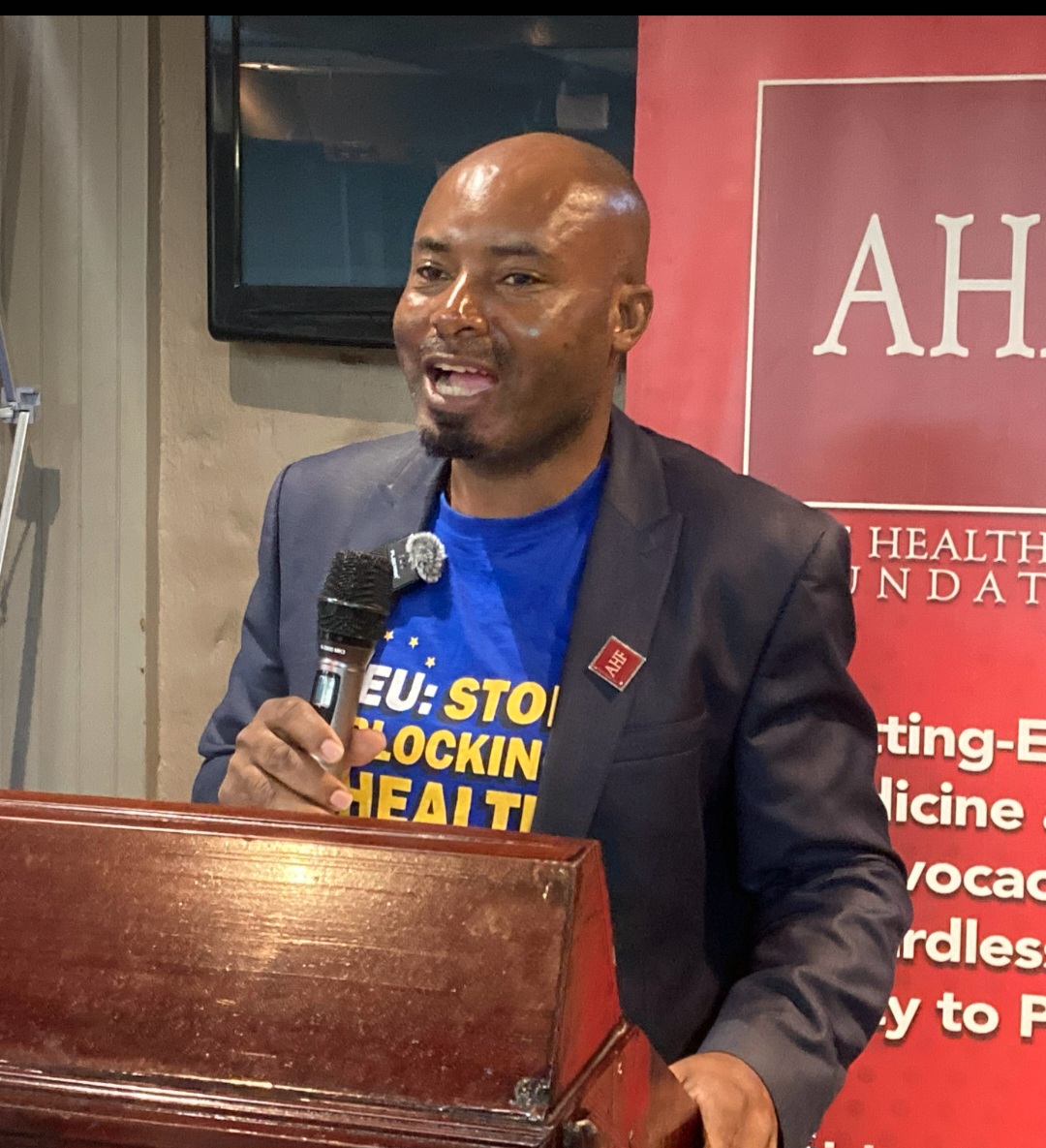

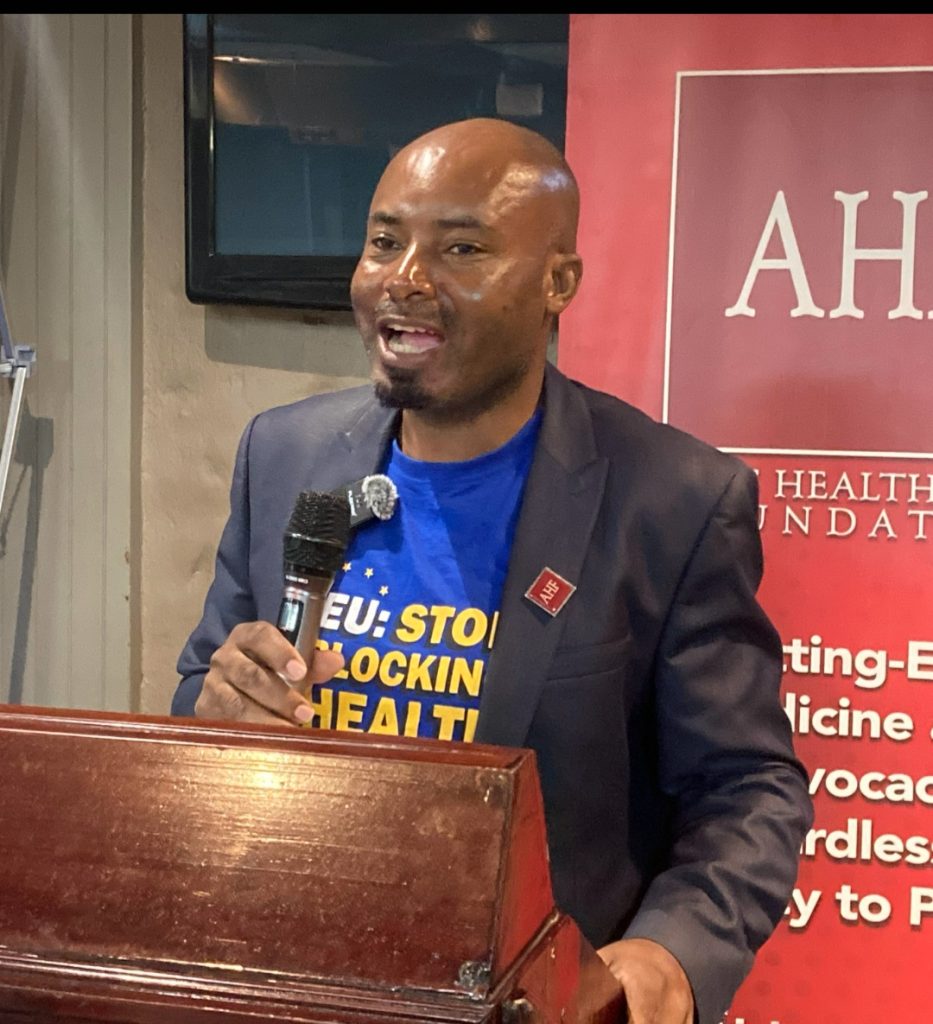
Clever Taderera, AHF Zimbabwe Program Manager
BY MUNYARADZI BLESSING DOMA
Civil society organisations have intensified pressure on global health authorities over the proposed Pandemic Agreement Benefit Sharing (PABS) Annex, warning that failure to address key concerns could result in an unjust global framework.
This comes ahead of the extraordinary session of the Intergovernmental Working Group (IGWG) on the WHO Pandemic Agreement, to be held in Geneva from 27 April to 1 May 2026.
This upcoming session, informally referred to as IGWG6 Part B, represents the last scheduled opportunity for Member States to reach agreement on the Pathogen Access and Benefit-Sharing (PABS) Annex before its consideration by the World Health Assembly in May 2026.
Speaking during a media engagement today (Tuesday, April 21), Clever Taderera, Program Manager at AIDS Healthcare Foundation (AHF) Zimbabwe said sustained pressure from civil society has already yielded results, describing the deferment of the agreement’s ratification as a “partial win.”
“As a pressure group, we are a force to reckon with, it is because of the pressure that we have exerted, including the press brief we held last month, that we managed to cause the deferment of the ratification,” Taderera said.
He expressed optimism that the delay will allow global stakeholders to revisit contentious provisions within the agreement.
Taderera said they expect “positive things to happen,” adding that the decision to put ratification on hold demonstrates willingness by the World Health Assembly to reconsider concerns raised by advocacy groups.
However Taderera warned that adopting the agreement without addressing these concerns would have serious consequences.
“If the agreement is signed without really considering these issues, from our point of view it will be very unjust and unfair.”
He added that AHF are not alone in this fight, as other civil society groups argue that the current structure of the PABS Annex risks perpetuating inequalities between the Global North and Global South, particularly in access to critical health technologies.
Taderera further raised concerns that pharmaceutical companies could monopolise data without sharing technological know-how, a scenario that could create challenges experienced during the pandemic.
Clever Taderera addresses questions from the media
He added such an outcome could lead to limited vaccine production capacity and inequitable distribution, describing it as potentially “disastrous.”
It was also revealed that feedback from global partners attending high-level meetings indicates that the pressure is being felt.
Taderera added that some officials had acknowledged that civil society organisations are “really pestering” them, a sign that advocacy efforts are gaining traction.
The “temperature,” he said is rising globally, with coordinated actions taking place across multiple regions.
Civil society networks are engaging policymakers, diplomats and influential leaders worldwide, including direct outreach to embassies, in a bid to persuade countries to reconsider their positions.
And between now and April 27, a series of global activations are underway, aimed at promoting equity, accountability and fairness within the agreement.
He further revealed that their advocacy efforts are part of a broader strategy to strengthen its case.
Taderera also underscored the role of media in amplifying their message, noting that published articles are being used to build evidence-based arguments during high-level engagements.
And despite the challenges, he said they believe significant progress has been made.
“We have really come a long way, the fact that the ratification was deferred for us is a win, a partial win.”
As negotiations continue, civil society organisations remain hopeful that key issues will be addressed or at the very least, that critical provisions will be incorporated to ensure a more equitable agreement for all.
Part of AHF’S talking points include that: “No Equity, No Agreement. The Pandemic Agreement cannot be ratified without the PABS Annex, and the Annex must not be approved without binding equity provisions guaranteeing enforceable benefit-sharing during pandemics, PHEICs, and interpandemic periods.”
Taderera emphasized that “if countries are going to share virus samples and data, they must also share the benefits that result from what they share.
“The Pandemic Agreement should not move forward unless there are clear, enforceable equity rules in the PABS Annex that guarantee fair access to vaccines, diagnostics, and treatments during pandemics, PHEICs, and the periods between them.”
He added that “we can’t leave fairness up to last-minute deals. The rules need to be set up front, that means a guaranteed share of vaccines, diagnostics, and treatments resulting from contributions made to the PABS Annex.
“Real technology and know-how transfer so more regions/countries can produce their own supplies.
“Annual financial contributions to support the system.
“Public access to research that isn’t commercial (e.g., scientific data, virus sequences, research findings, and publicly funded studies made freely available for global use).
“In short, everyone who benefits from the system must give back—and the rules should be clear from the start,” added Taderera.