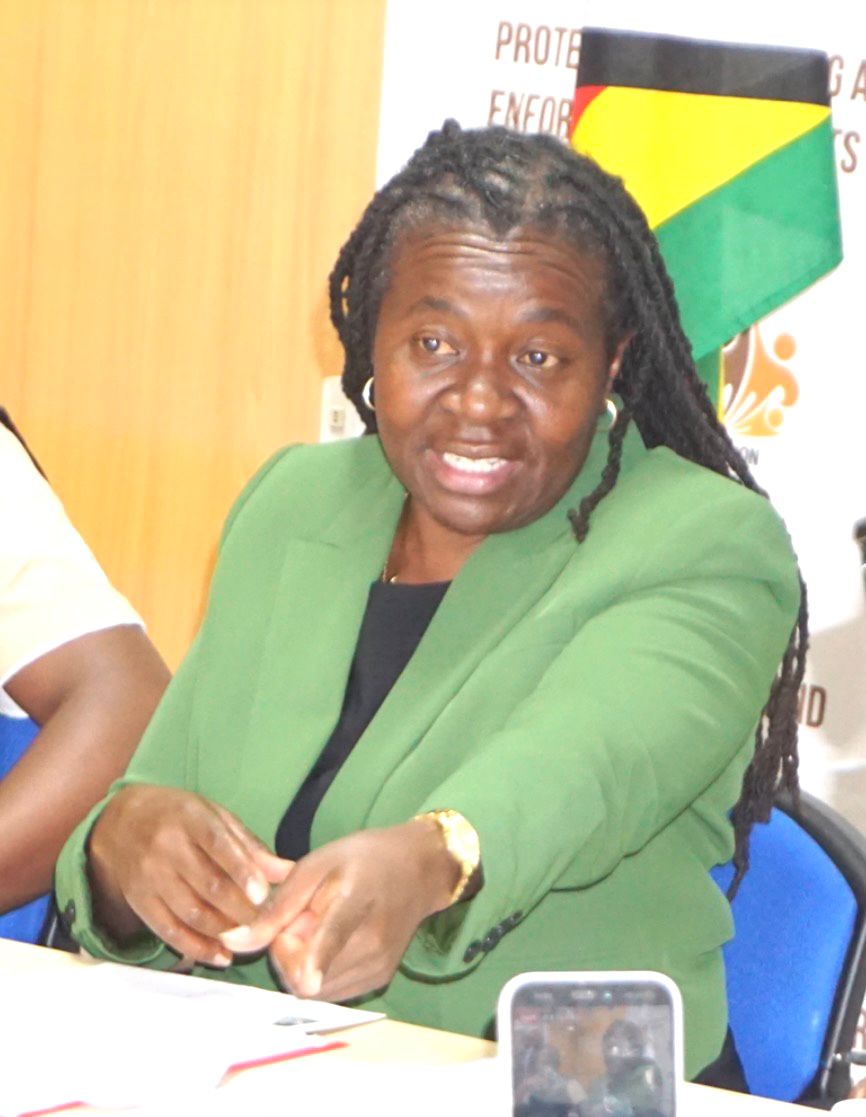
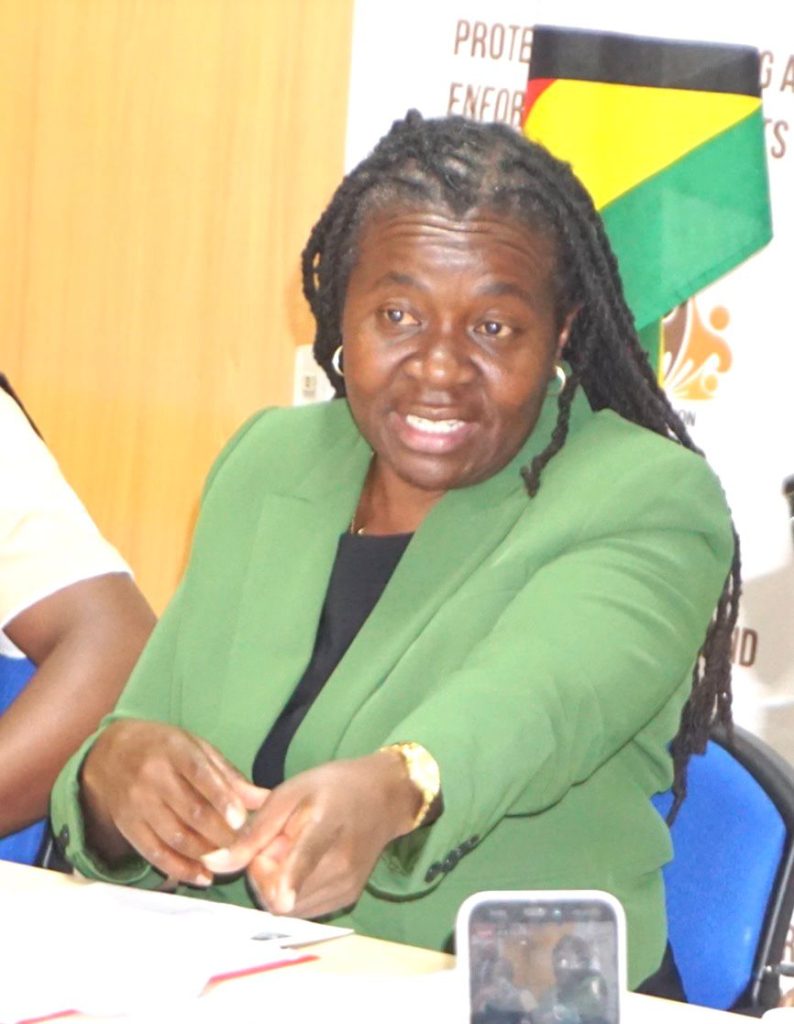
Zimbabwe Human Rights Commission Chairperson, Jessie Majome
BY MUNYARADZI BLESSING DOMA
Zimbabwe today (April 7) joined the rest of the world in commemorating World Health Day, with renewed calls for urgent action to address deep-rooted inequalities affecting access to healthcare.
In a statement, Zimbabwe Human Rights Commission (ZHRC) Chairperson, Jessie Majome said this year’s commemorations come at a critical time when the country continues to face significant challenges in delivering equitable health services.
Observed annually to mark the founding of the World Health Organization, this year’s theme, “Building a Healthier World for All,” underscores the need for collective action to ensure that the right to health is realised for every individual without discrimination.
Majome acknowledged that Zimbabwe has made notable progress in establishing legal and policy frameworks that support the right to health. She highlighted that Section 76 of the Constitution guarantees citizens and permanent residents access to basic healthcare services, aligning with regional and international human rights obligations.
“The Government, with support from development partners, has made commendable efforts to expand health infrastructure and services,” she said.
Among the key initiatives cited are the National Health Strategy, the proposed National Health Insurance Scheme and investments in primary healthcare facilities, all aimed at achieving universal health coverage.
However, despite these strides, the ZHRC says systemic challenges continue to hinder progress.
Between 2024 and 2025, the Commission conducted monitoring visits to 28 public health institutions across the country. Findings from these visits revealed persistent shortages of essential drugs, particularly for chronic conditions such as hypertension, diabetes, and mental health disorders.
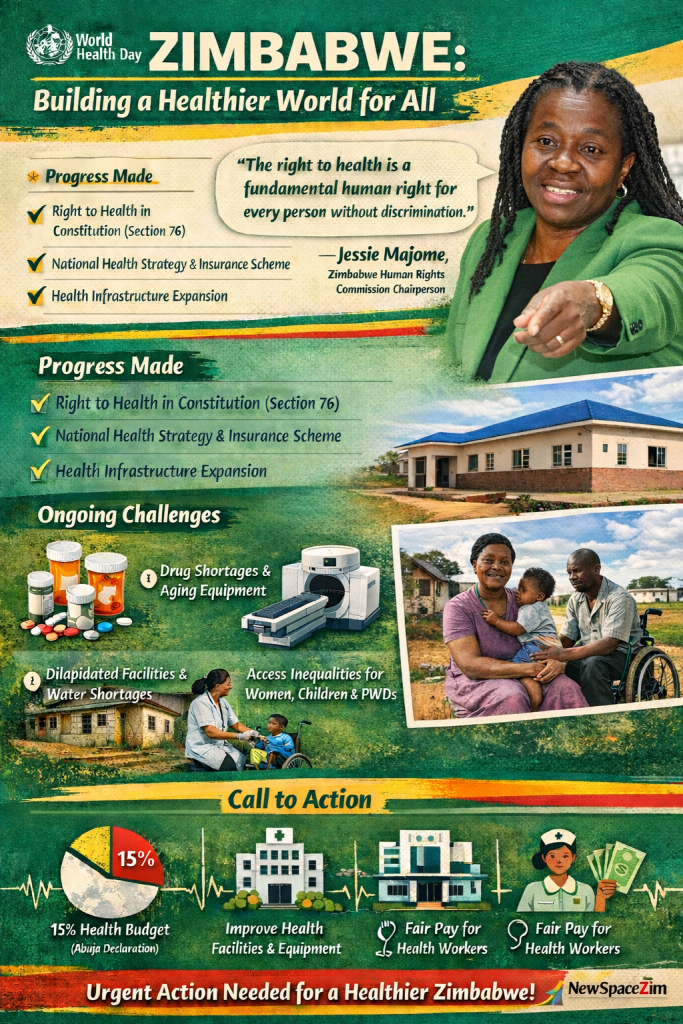
The report also highlights deteriorating infrastructure in many hospitals some dating back to the colonial era with critical shortages of diagnostic equipment including CT scanners and dialysis machines.
In addition, many “facilities face water and sanitation challenges, non-functional mortuaries, and outdated waste management systems.”
Majome further noted that access to quality healthcare in Zimbabwe remains uneven, often influenced by socio-economic status, geographical location and gender.
“Women, children and persons with disabilities, especially in rural areas, are disproportionately affected,” Majome said.
Challenges such as overcrowded maternity waiting shelters, lack of sign language interpreters and food shortages in some mission-run institutions continue to undermine efforts to prioritise vulnerable groups.
The Commission has called on the Government to significantly increase investment in the health sector, in line with the 2001 Abuja Declaration, which urges African countries to allocate at least 15 percent of national budgets to healthcare.
Such investment, Majome said is critical for implementing the National Health Insurance Scheme, rehabilitating infrastructure, procuring modern equipment, and addressing staff welfare concerns.
The statement also comes amid ongoing industrial action by nurses demanding improved salaries and working conditions, a development the Commission says reflects broader systemic challenges within the public health sector.
ZHRC has urged the Government to urgently review remuneration for healthcare workers and the wider civil service in line with the rising cost of living.
As Zimbabwe marks World Health Day, the Commission stresses that achieving a healthier nation will require sustained commitment, increased funding, and inclusive policies that leave no one behind.