BY NYARADZO CHITUNGO
This March Zimbabwe joins the rest of the world in celebrating Cerebral Palsy (CP) Awareness Month, a period which focuses on raising advocacy and promoting education and inclusion. Under the hashtag #GoGreen4CP, proponents of the theme will be wearing green aparrel which represents hope and progress for the 17 million individuals living with CP globally.
According to Mayo Clinic, Cerebral Palsy is a group of conditions that affect movement and posture. It’s caused by damage that occurs to the developing brain, most often during or after birth. Symptoms appear during infancy or preschool years and vary from very mild to severe.
CP affects about 2-3 babies out of every 1,000 births with boys more likely to have CP than girls with 30% more cases reported. In Zimbabwe Cerebral Palsy is a significant pediatric disability, with estimated prevalence rates of 1.55 per 1, 000 in rural areas and 3.3 per 1, 000 in urban areas.
Types of Cerebral Palsy:
CP can be classified by the type of movement affected, the body parts affected or how severe the symptoms are. Some types may see individuals having Intellectual Disability and development disability (IDD).
These are some forms of Cerebral Palsy.
Spastic Cerebral Palsy : This is the most common type which results in individuals having stiff muscles and involuntary movements. Spastic CP has different forms depending on the body parts affected. These forms include, Spastic Hemiplegia, which usually affects only one side of the the body it may affect the leg, arm or hand only.
Spastic Diplegia: Individuals with this form of CP have stiff muscles in the legs.
Spastic Quadriplegia: The most severe type, it affects all limbs. Individuals with this form are unable to walk and may have impaired speech.
Dyskinetic Cerebral Palsy: Individuals have involuntary movements in all the four limbs. Face muscles are also affected resulting in some individuals drooling. Individuals with this type of CP may have trouble sitting or walking straight.
Ataxic Cerebral Palsy: Affects balance and individuals walk in an unsteady manner. They may also have difficulties with reaching for a book or unbuttoning a shirt.
Mixed Type: Includes symptoms that are a mix of other types.
In Zimbabwe individuals with Cerebral Palsy and their families face a myriad of challenges such as accessing therapy sessions and specialised health care in government hospitals such that they are left with no other option but to resort to private hospitals which are pricey.
For individuals with Cerebral Palsy therapy is a lifelong necessity. Without hydrotherapy and physiotherapy sessions, individuals with CP can develop scoliosis (abnormal sideways of the spine) or contractions (a condition where muscles and tendons become tight and resulting in bent joints and limited movement) in the hip, knees or arms. Therefore therapy is a fundamental ingredient in their lives.
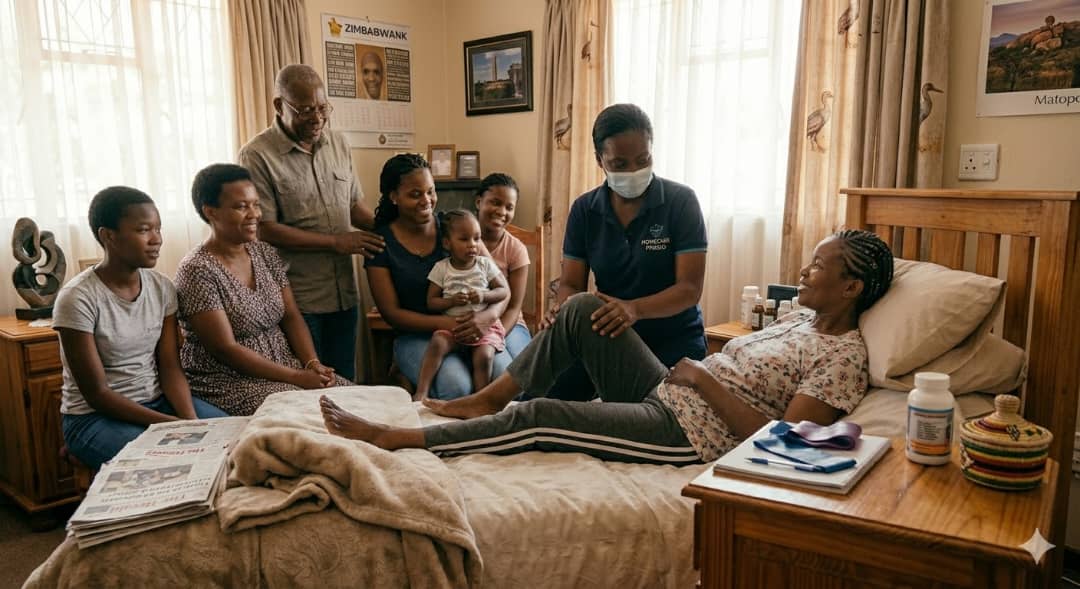
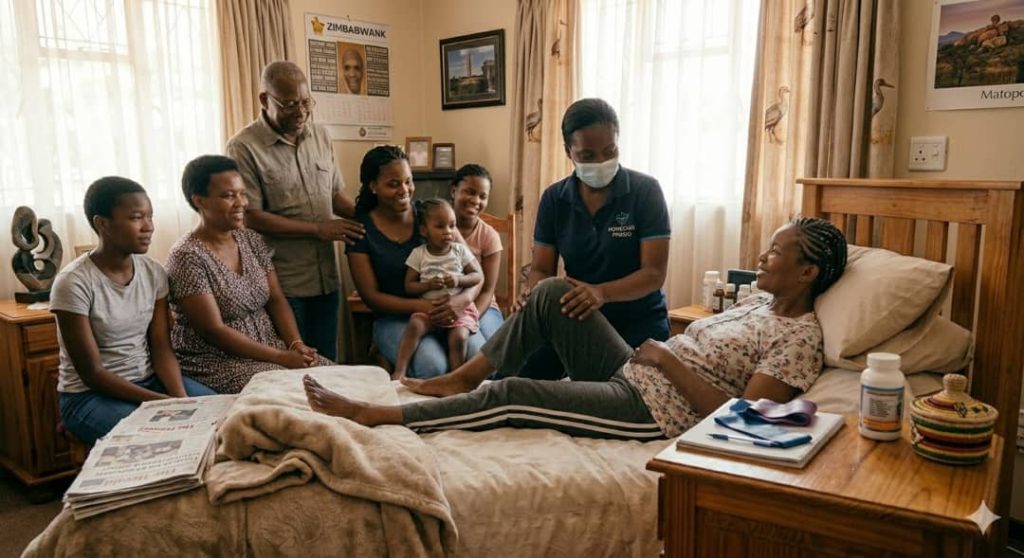
One case study is 46 year old Precious*, a Spastic Quadriplegic from Harare who has been bedridden for 4 years after a fall that broke her ribs. Since being diagnosed with Cerebral Palsy at 3, she is an unfortunate victim of chronic and debilitating pain. Unfortunately, Precious has not received any significant medical treatment apart from Baclofen pills that come at a cost of US$30-US$35 per month to reduce spasticity only.
“My condition is constantly getting worse. I have been bedridden for the past 4 years and in constant and unbearable pain. Both the medication and therapy sessions are pricey for my family which barely has enough to live,” she laments.
Due to limited mobility, adults with Cerebral Palsy are recommended physiotherapy 3 times a week to reduce complications such as pneumonia or heart problems. Speech therapy is also advised.
A Rehabilitation Technician who requested anonymity states that “patients are recommended at least thrice a week of therapy sessions provided the caregivers will also be helping with home program.”
While these recommendations are ideal they forever remain a pipe dream to many.
“Government institutions range from US$7 for 15 minutes and US$45 for home visits. On the other hand private institutions usually range from US$25 and US$60 for home visits,” he explained.
As Cerebral Palsy Awareness Month wraps up, the message in Zimbabwe is clear and written in bold: ‘awareness alone isn’t enough.’ Greater investment in affordable treatment, accessible facilities, public education and strengthening rehabilitation services is needed if people with CP are to live with dignity and reach their potential.