BY MUNYARADZI BLESSING DOMA
Tourism and Hospitality Industry Minister Barbara Rwodzi, has called for stronger linkages between local farmers and producers, hotels and restaurants to ensure communities directly benefit from the country’s growing gastronomy tourism sector.
She said hospitality establishments should develop sustainable procurement and buy-back arrangements with local producers to create reliable markets for their agricultural produce and ensure tourism benefits reach communities.
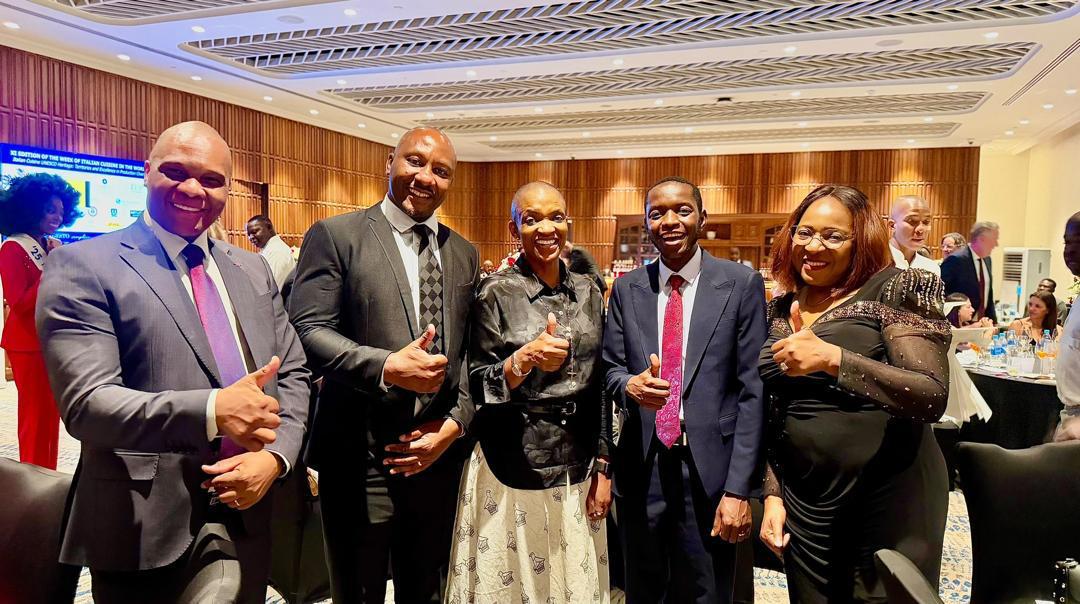
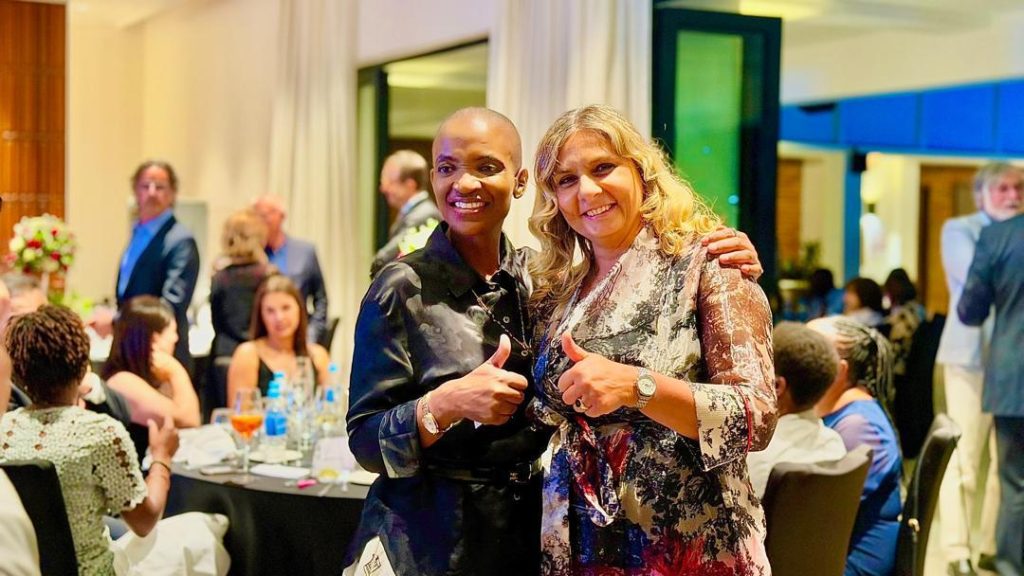
Speaking at the Gala Dinner celebrating the XI Edition of the Week of Italian Cuisine in the World, Minister Rwodzi said gastronomy tourism should not be limited to promoting traditional dishes, but should also generate economic opportunities for people across the value chain.
“Through a Whole-of-Government approach, local producers must be connected to hotels and restaurants through sustainable procurement and buy-back arrangements, ensuring communities benefit from the crops and grains they produce,” she said.
Minister Rwodzi said the approach would particularly benefit women, young people, farmers and marginalised communities, who should be active participants in the country’s tourism development.
She added that the National Gastronomy Tourism Strategy 2026–2030, which Zimbabwe is embarking on implementing, presented an opportunity to turn the country’s culinary heritage into tangible economic benefits.
“Cuisine is more than food, it is a nation’s identity, heritage and a powerful instrument of cultural diplomacy and economic transformation.”
With tourism contributing approximately 10 percent to the country’s Gross Domestic Product (GDP), Minister Rwodzi said gastronomy tourism had an important role to play in driving economic transformation towards achieving an upper middle-income society by 2030.
She further revealed that Zimbabwe should draw lessons from Italy, which has successfully secured international recognition for its cuisine as UNESCO Intangible Cultural Heritage, by investing in the promotion of its own traditional foods and beverages.
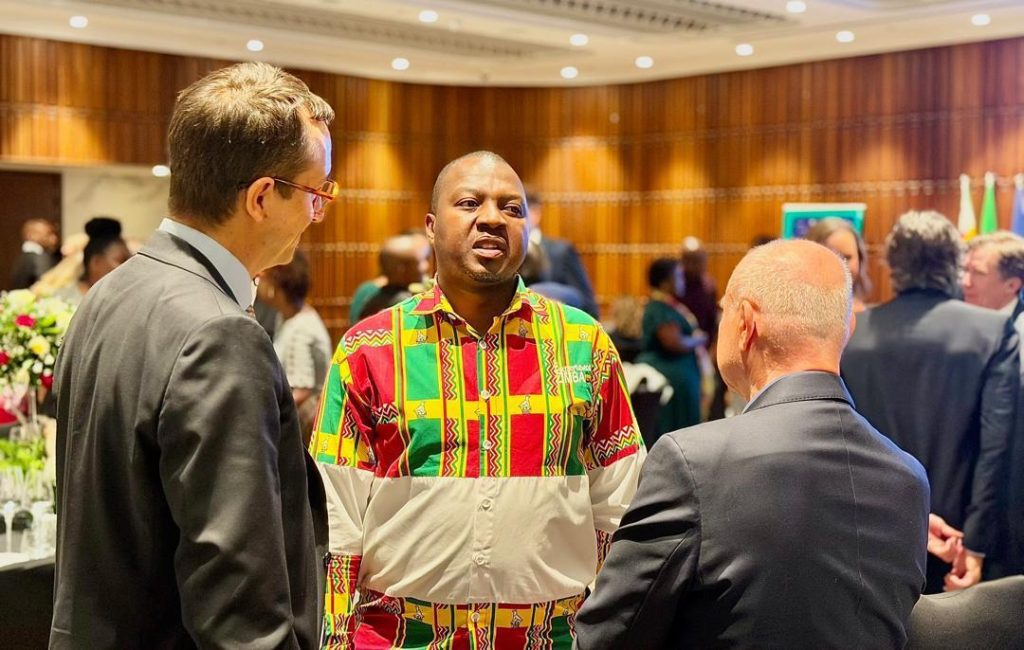
“Drawing lessons from Italy’s success, we must tell Zimbabwe’s story through our indigenous foods, grains, traditional dishes and beverages such as Mapfura wine,” said the minister.
Minister Rwodzi said promoting local cuisine would help preserve the country’s cultural identity while making food an important part of the visitor experience.
She acknowledged the inspiration and contribution of the First Lady, Dr Auxillia Mnangagwa, who is the Patron of Tourism, in championing gastronomy as a means of preserving cultural identity, promoting local cuisine and strengthening Destination Zimbabwe.
The Minister said Zimbabwe’s gastronomy tourism ambitions were also gaining international recognition, with the Food and Agriculture Organisation (FAO) recognising the country as the only African nation to develop a dedicated National Gastronomy Tourism Strategy.
She said this presented an opportunity for Zimbabwe to position its culinary heritage as a distinctive tourism asset while opening up opportunities for local producers and communities.
“This advances NDS2’s commitment to leaving no one and no place behind and UN Tourism’s emphasis on community empowerment,” she said.
It was also highlighted opportunities for Zimbabwe and Italy to strengthen cooperation in culinary research, innovation, skills development and value addition.
She said such partnerships could help build local capacity and improve the quality and competitiveness of Zimbabwe’s gastronomy tourism products.