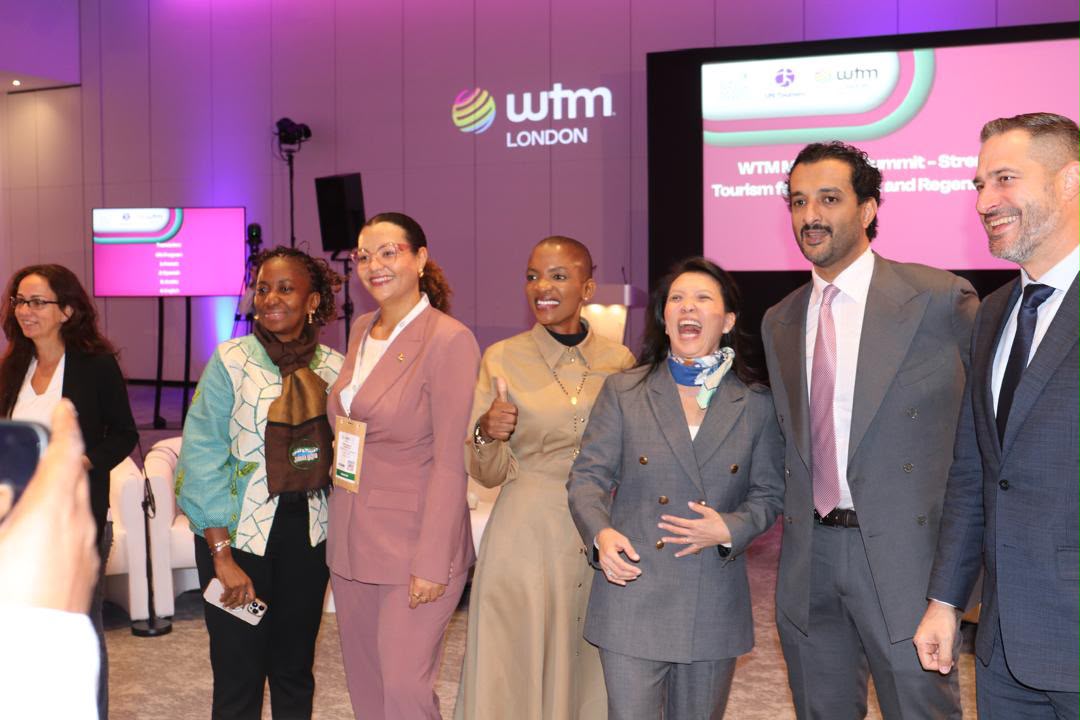
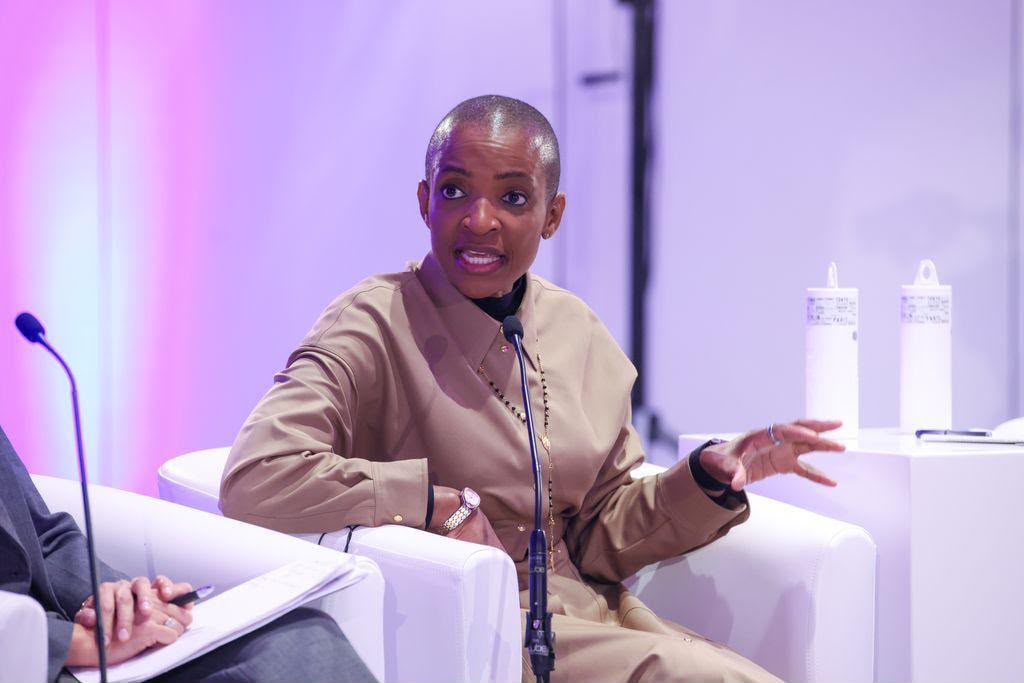
Minister of Tourism and Hospitality Industry, Barbara Rwodzi
BY MUNYARADZI BLESSING DOMA
Zimbabwe has reaffirmed its commitment to being a “friend to all and an enemy to none,” with Government emphasising the importance of peace, stability and international cooperation in building a resilient and sustainable tourism sector.
Speaking at the World Travel Market (WTM) Ministers’ Summit 2026, Tourism and Hospitality Industry Minister Barbara Rwodzi said Zimbabwe’s foreign policy principle remained central to strengthening international partnerships and creating an environment conducive to tourism growth.
The summit, organised in partnership with UN Tourism and the World Travel and Tourism Council (WTTC), was held under the theme, “Strengthening Tourism for a Resilient and Regenerative Future.”
Minister Rwodzi said tourism development depended on cooperation among nations, particularly as the sector faced growing threats from climate change, environmental degradation and other global challenges.
She reaffirmed Zimbabwe’s commitment to climate-resilient tourism, highlighting the country’s role in championing the International Year of Sustainable and Resilient Tourism, whose official logo was launched during the 23rd UN Tourism Meeting held in Victoria Falls in April 2026.
The Minister said climate change and recurrent droughts were increasingly affecting wildlife, biodiversity and tourism infrastructure, making collective action and sustainable water management critical to the future of the industry.
She highlighted Government’s dam construction programme under President Mnangagwa as an important intervention in strengthening water security, sustaining wildlife and supporting conservancies.
Beyond environmental sustainability, Minister Rwodzi said Zimbabwe was placing communities at the centre of its tourism development agenda, recognising people as the country’s greatest tourism assets and custodians of its heritage.
She said the “success of tourism should not be measured merely by international and domestic tourist arrivals, but by the sector’s contribution to the economy and its ability to transform the livelihoods of communities involved in the tourism value chain.”
The Minister emphasised that ordinary and marginalised Zimbabweans must meaningfully benefit from tourism growth, with the sector contributing towards the attainment of an upper-middle-income society by 2030, in line with the President’s Vision 2030.
She said tourism accounted for about 10 percent of Zimbabwe’s Gross Domestic Product (GDP), making it an important pillar of economic resilience, particularly when other productive sectors encountered challenges.
Minister Rwodzi cited 2024 as an example of tourism’s potential to sustain economic activity when the mining sector was affected by a global mineral price crisis and agriculture experienced the effects of climate change, while the manufacturing industry was still developing.
She said the sector’s contribution to the economy went beyond accommodation and travel, with opportunities across gastronomy tourism, rural industrialisation and the farm-to-market model.
Minister Rwodzi also recognised First Lady Dr Auxillia Mnangagwa, who is the Patron of Tourism, for championing traditional cuisine and helping position Zimbabwe as the host of the inaugural UN Tourism continental gastronomy conference.
She said the promotion of traditional cuisine was creating opportunities to showcase Zimbabwe’s cultural identity while supporting communities and players across the food and tourism value chains.
The introduction of direct Harare-London flights by Air Zimbabwe was also highlighted as an important development in improving international connectivity and providing opportunities to promote Zimbabwean cuisine and other tourism offerings to the global market.
Minister Rwodzi said initiatives such as gastronomy tourism and rural industrialisation were helping advance Vision 2030 and the African Union’s Agenda 2063 by ensuring that tourism contributed to inclusive economic development.
Meanwhile, UN Tourism Secretary-General welcomed the Minister’s contribution, highlighting the importance of tourism intelligence, data sharing and standardised analytics in measuring the sector’s true economic and social impact across member states.
The discussions at the summit underscored the need for countries to strengthen cooperation, share knowledge and develop strategies that ensure tourism remains resilient while delivering lasting benefits to people and the environment.