
Minister of Tourism and Hospitality Industry, Barbara Rwodzi
BY MUNYARADZI BLESSING DOMA
Zimbabwe is stepping up efforts to position its traditional cuisine as a key tourism product following the introduction of the Zimbabwe National Gastronomy Strategy 2026–2030, which seeks to promote indigenous food heritage while creating economic opportunities for local communities.
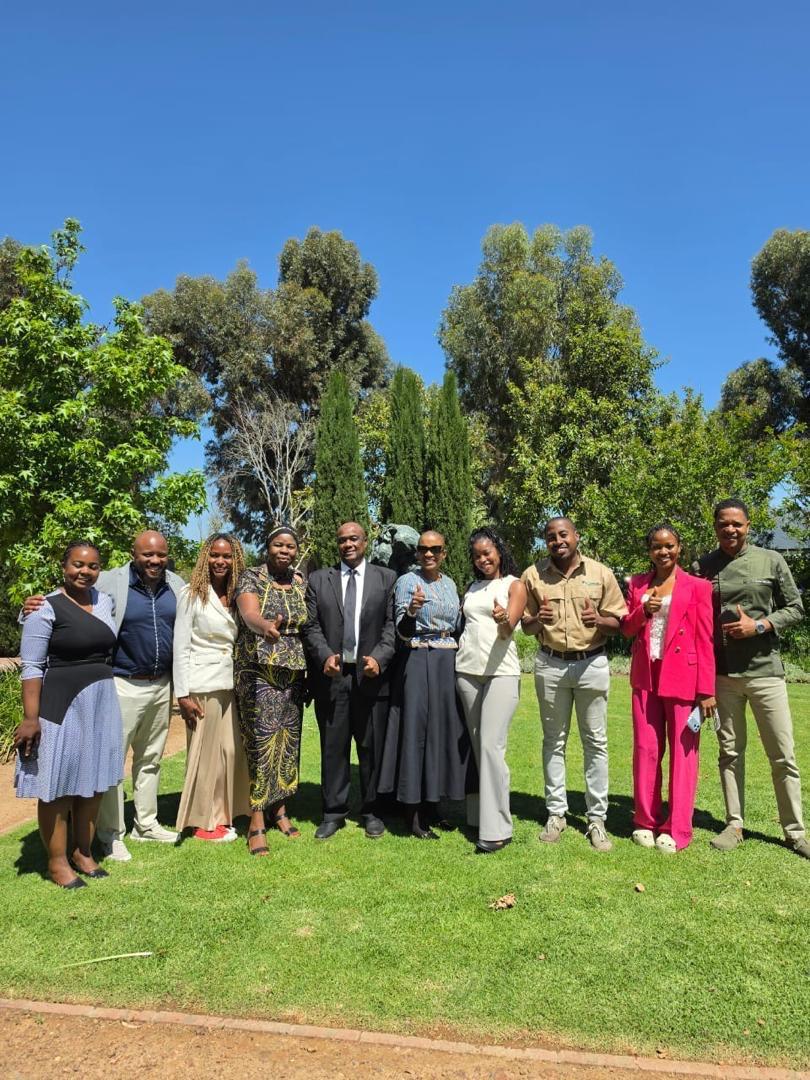
The strategy, which was approved by Cabinet in July 2026, has seen Zimbabwe being invited by the Food and Agriculture Organization (FAO) to share its experience at the WILD Exchange 2026 in Cape Town, South Africa.
Zimbabwe is among the first African countries to institutionalise African Traditional Cuisine within Government and the private sector as part of efforts to promote gastronomy tourism.
The initiative seeks to integrate traditional cuisine into the country’s National Tourism Development Agenda, recognising indigenous food as an important part of Zimbabwe’s cultural identity and tourism offering.

Minister of Tourism and Hospitality Industry Barbara Rwodzi expressed gratitude to the First Lady and Patron of Tourism, Dr Auxillia Mnangagwa, for reintroducing Zimbabwe’s traditional cuisine and championing its entire value chain.
She said the initiative was also important in promoting the participation of women, youths, people living with disabilities and rural communities.
The engagement highlighted the potential of gastronomy tourism to safeguard cultural identity, recognise communities as custodians of indigenous food knowledge and traditions, and create economic opportunities from the country’s culinary heritage.
Through its WILD Africa and Caribbean initiative, FAO seeks to connect indigenous foods and heritage food systems across the two regions to markets through culinary innovation, premium hospitality, tourism and trade.
Zimbabwe’s participation at the exchange provides an opportunity to showcase how traditional cuisine can be developed beyond its cultural significance into an economic asset that supports tourism growth, community participation and trade.
The National Gastronomy Strategy is therefore expected to strengthen the recognition of Zimbabwe’s indigenous foods while creating opportunities for communities to benefit from the country’s rich culinary heritage.