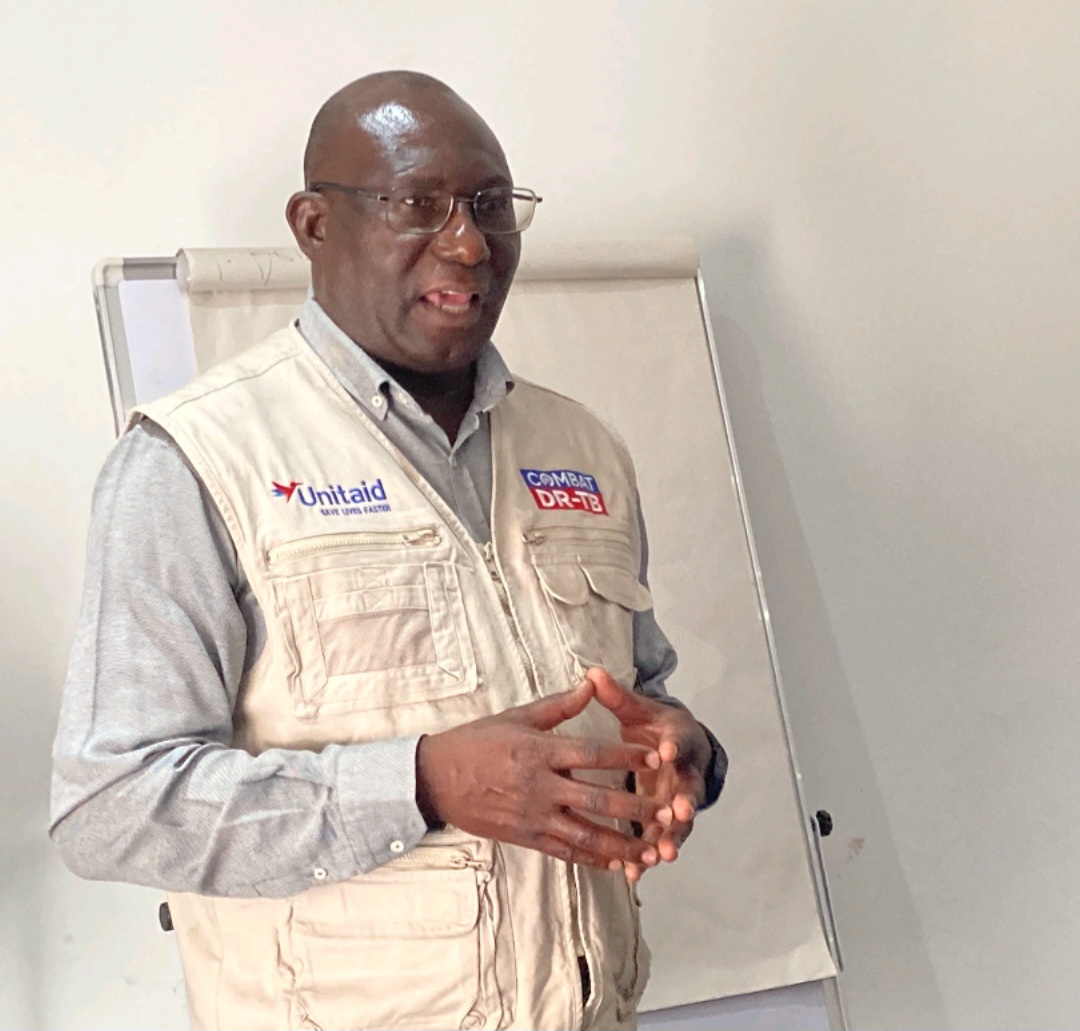
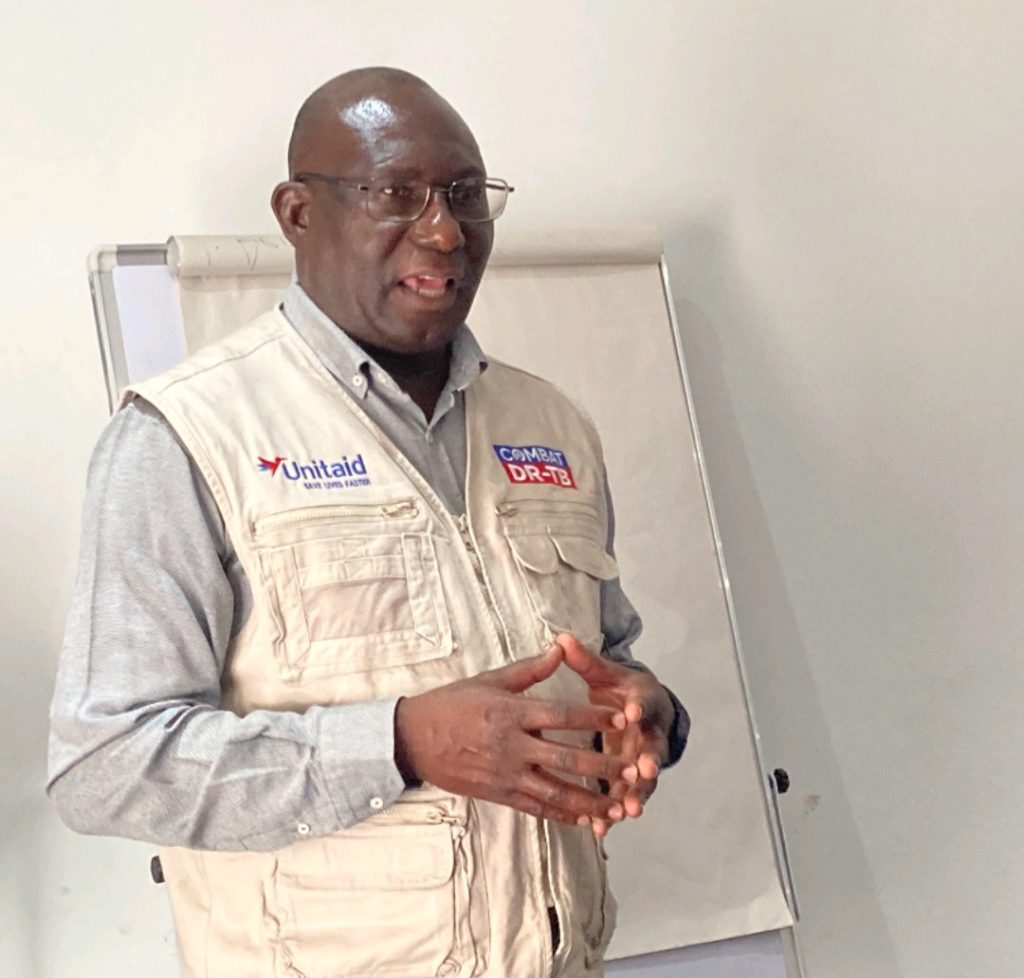
Dr Donald Tobaiwa, JHWO Executive Director
BY MUNYARADZI BLESSING DOMA
Community-Led Monitoring (CLM) is emerging as a powerful tool in Zimbabwe’s fight against tuberculosis (TB), giving people affected by the disease a direct role in improving access to quality healthcare while helping eliminate stigma and discrimination.
Implemented by the Jointed Hands Welfare Organisation (JHWO) in partnership with the Ministry of Health and Child Care (MoHCC) and other stakeholders, the OneImpact Zimbabwe initiative is using technology and community participation to identify barriers to TB services and ensure they are addressed.
According to the World Health Organisation (WHO), TB is an infectious disease caused by bacteria that most often affects the lungs.
It is spread through the air when people with TB cough, sneeze or spit.
Further reports are that a total of 1,25 million people died from TB in 2023 and in the same year, an estimated 10,8 million people fell ill with TB worldwide, including 6 million men, 3,6 million women and 1,3 million children.
The JHWO Executive Director Dr Donald Tobaiwa, said the OneImpact was designed to ensure that communities become active participants in the country’s TB response.
The OneImpact Zimbabwe Community-Led Monitoring application, is currently on available on Play Store and App Store, and plans are still afoot for it to be available on feature phones (none smart phones), as the country pushes with its fight to eliminate TB by 2030.
According to UNAIDS, CLM can also be used as a system where people affected by Drug-Resistant TB (DR-TB) and local civil society groups systematically gather and analyze data on healthcare delivery.
Reports are that it bridges the “last mile” of care by empowering patients and improving the overall DR-TB treatment experience.
It is further reported that CLM directly targets the severe challenges associated with DR-TB, such as long treatment durations, high pill burdens and severe side effects.
“OneImpact Zimbabwe Community-Led Monitoring empowers people affected by TB to claim their rights, access health and support services, report and eliminate TB stigma and discrimination,” said Tobaiwa.
He said through an innovative mobile application and system, OneImpact encourages and facilitates the participation of people affected by TB in all aspects of TB programming, promoting a human rights-based and people-centred response.
“In doing so, OneImpact CLM combats the central TB challenges at both the individual and community levels while generating essential information and data to better understand and address these challenges at the programmatic level in order to end TB,” said Dr Tobaiwa.
Unlike traditional monitoring systems which rely mainly on health facilities, OneImpact places communities at the centre of the TB response by ensuring that the voices and experiences of TB patients help shape service delivery and policy decisions.
Since its adaptation in Zimbabwe between 2021 and 2022, the programme has expanded steadily.
OneImpact was officially launched in 2023 before being rolled out to Bubi, Kwekwe, Shurugwi and Sanyati under the TB in the Mines project.
It has since expanded to more districts and provinces, increasing the number of trained healthcare workers and community monitors while engaging thousands of people affected by TB.
According to JHWO, the programme has engaged more than 10,000 people, registered over 9,000 users and partnered with 112 health facilities across the country.
And more than 500 community health workers and community monitors have also been trained to support implementation.
The platform has enabled communities to report hundreds of barriers affecting access to TB services, with many of the reported challenges successfully resolved through collaboration between communities, healthcare workers and programme managers.
Among the most common challenges reported through the platform are self-stigma, stigma at community level, workplace stigma and limited counselling.
Tobaiwa said partnerships remain essential in ensuring the programme continues to deliver meaningful results.
“Partnerships and collaborations with the media are key in ensuring access to updated TB and drug-resistant TB information, support groups and its dissemination,” he said.
He added that the media also has an important role to play in strengthening accountability within the TB response.
“The media is a great vehicle in utilizing Community-Led Monitoring data for advocacy, stigma reduction, accountability and sustainability,” he said.
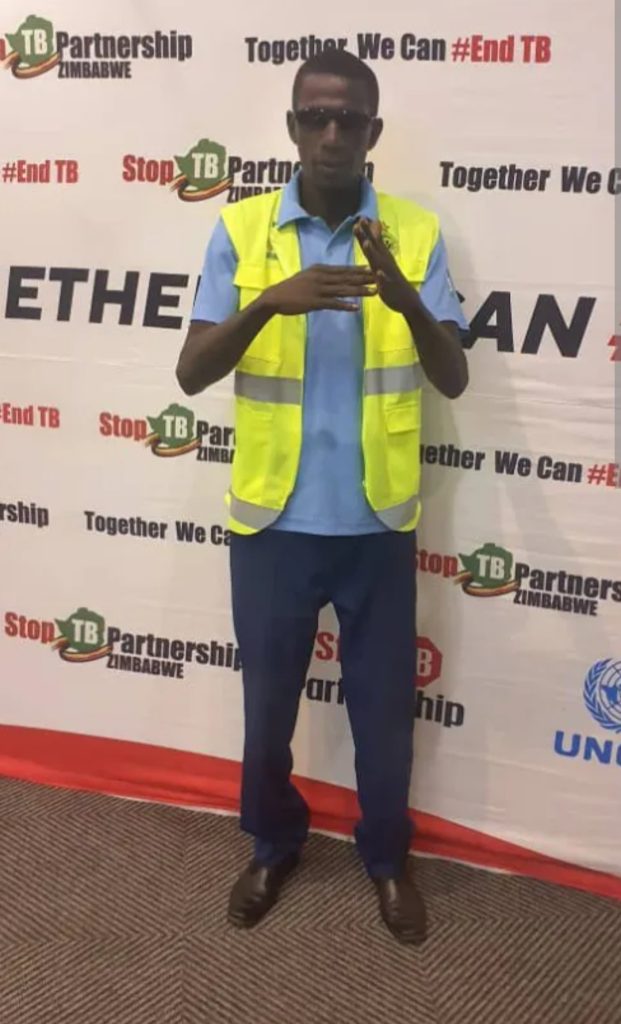
Stanley Sibanda, TB Advocate
Stanley Sibanda, a TB Advocate in a previous interview with this reporter said since introduction of the application, TB management had really improved.
“OneImpact has transformed the face of Tuberculosis management in Zimbabwe.
“After it’s introduction, we saw changes even in the attitude of healthcare workers as far as stigma in health facilities is concerned.
“That rich information contained in the OneImpact application has been vital in changing attitudes towards TB patients.
“As Community Cadres, we continue benefiting from up to date TB information contained in the OneImpact application, and we use it in our day to day work in communities and at health facilities.
“We still continue linking with other TB Survivors through the WhatsApp section available on the application. We really appreciate this innovation,” said Sibanda
Despite notable progress, the programme continues to face operational challenges, including poor network connectivity, limited access to mobile data, shortages of handsets, inadequate incentives for community monitors and the need for sustainable financing.
However stakeholders believe OneImpact Community-Led Monitoring is transforming TB programming by putting communities at the centre of decision-making, strengthening accountability and ensuring that the experiences of people affected by TB directly influence improvements in service delivery as Zimbabwe works towards ending TB by 2030.