
Minister of Health and Child Care, Dr Douglas Mombeshora
BY MUNYARADZI BLESSING DOMA
Zimbabwe has made great progress in its tuberculosis (TB) response as the country has expanded early detection using digital X-ray technology enhanced with artificial intelligence (AI), Minister of Health and Child Care, Dr Douglas Mombeshora has said.
Minister Mombeshora revealed this when he officially opened the 2025 National TB Conference, a space where science, policy, innovation and community voices came together with one mission: to end TB in Zimbabwe.
The three-day conference is being held under the theme: “From Commitment to Action: Innovation, Sustainable Financing and Person-Centred Care to End TB.”
According to the World Health Organisation (WHO), TB is an infectious disease caused by bacteria that most often affects the lungs.
It is spread through the air when people with TB cough, sneeze or spit.
Further reports are that a total of 1,25 million people died from TB in 2023 and in the same year, an estimated 10,8 million people fell ill with TB worldwide, including 6 million men, 3,6 million women and 1,3 million children.
“Our TB response has made real progress. We have expanded early detection, using digital X-ray technology enhanced with artificial intelligence, bringing services closer to the people who need them most.
“Diagnostic capacity has increased across the country, with GeneXpert and Truenat now more accessible in our districts.
“We have strengthened the integration of TB with HIV and other conditions, so people are screened and treated much earlier.
“Treatment outcomes continue to improve as we adopt shorter, more patient-friendly regimens and support patients in their communities.
“And perhaps most encouraging of all, TB survivors and communities are no longer just beneficiaries of services they are helping to shape solutions, placing people firmly at the centre of the response,” said Minister Mombeshora.
He added that these successes prove what can happen when innovation, political will and community action pull in the same direction.
Minister Mombeshora added that it was good to note that Zimbabwe was in 2021, removed from the WHO list of the top 30 high-burden TB countries, a milestone worth celebrating.
“And that achievement was not accidental. It was earned through the dedication of our healthcare workers, the support of our partners, and the strength and resilience of our communities.”
He however said as the country continues to celebrate all these milestones, it was important to note the challenges, as TB remains a serious public health challenge, and the shifting landscape of global health financing is creating uncertainty for critical programmes.
“We are also reminded that TB thrives where poverty, malnutrition, overcrowding, and occupational exposure persist, which means the fight against TB cannot be won by the health sector alone.
“It demands a whole-of-society approach.”
Minister Mombeshora further revealed that the conference was coming at a perfect time to pause, reflect and re-energise.
“Over the next three days, I encourage us to share openly, learn from one another, and think boldly about the future we want.
“Let us build on what is working, explore new ways of financing sustainable TB responses, and strengthen the partnerships that brought us this far.
“And let us continue to listen to and amplify the voices of TB survivors, because ending TB must be about people first their dignity, their health, and their future.
He added that the theme of the conference should be a call to make sure the promises translate into real change in real communities. “Commitment alone is no longer enough. Action, impact and accountability must define the next phase of our journey.
“Ending TB is should not simply a target. It is a matter of justice and humanity. No one should suffer or lose their life to a disease that is preventable and curable.
“We owe it to every Zimbabwean to keep pushing until TB is a thing of the past.”

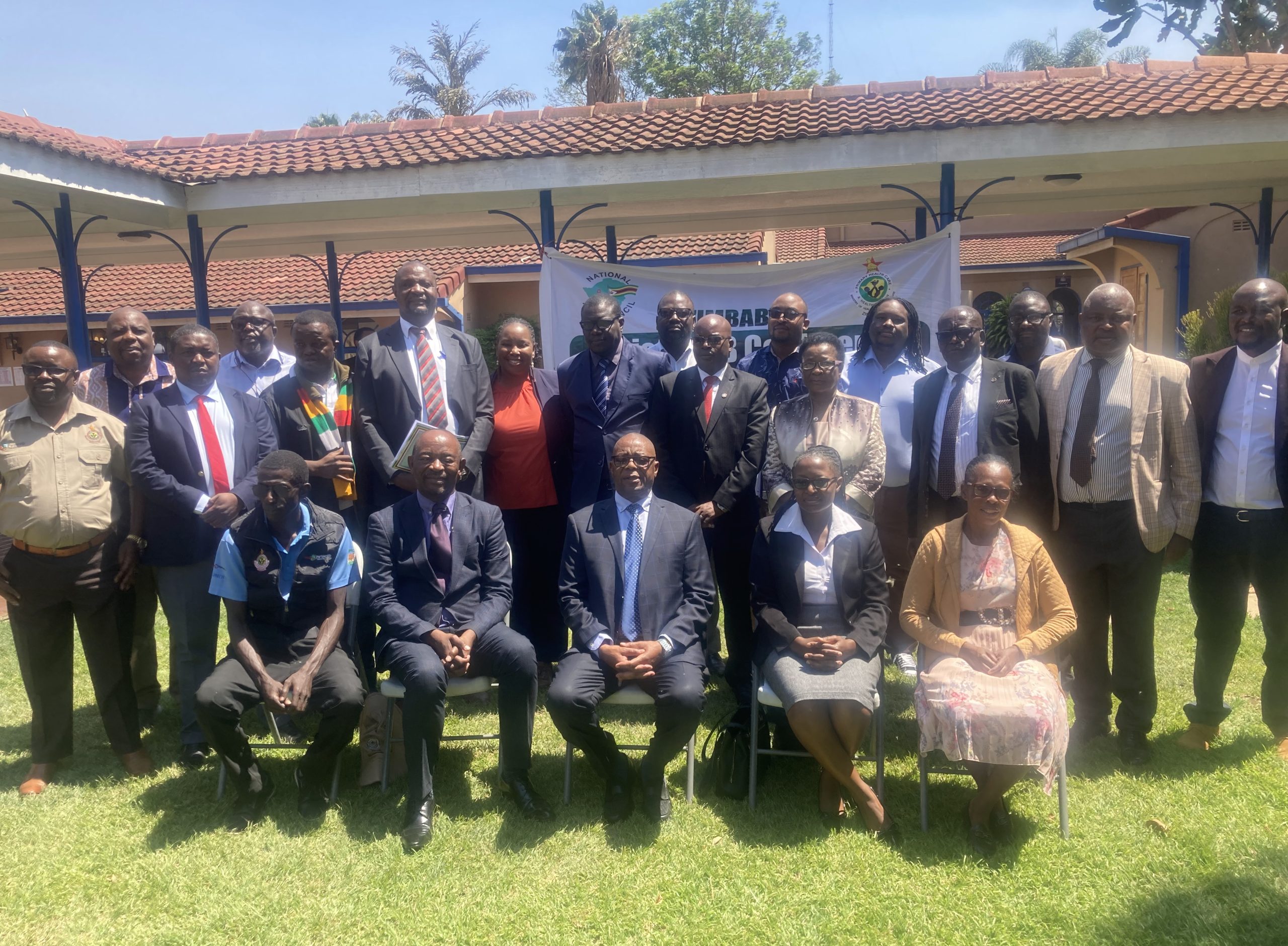
several stakeholders pose for a group photo at the 2025 National TB Conference
Doctor Fungai Kavenga, Deputy Director for AIDS and TB and team lead in the National TB Programme in Zimbabwe, in his opening remarks, said TB remains one of the leading public health problems in our country.
He said TB continues to cause mortality and morbidity in communities, particularly among people living with HIV and those in vulnerable settings.
Doctor Kavenga said it was good to note that the country had was also making progress in it’s fight against TB.
“We have managed to reduce the incidence of TB from 242 cases per 100,000 in 2015 to 204 cases per 100,000 in 2024.
“Over the past five years, we’ve also managed to reduce TB mortality from 10 percent to 7 percent, though we want to push it down to below 5 percent.
“As a country, we have also managed to introduce new innovations,” said Dr Kavenga.
He added that this year’s conference is particularly strategic as it was coinciding with the final phase of implementation of the TB Strategy Plan 2021-2025.
“It’s also coming at a time where we are planning to develop a new strategic plan.
“We are looking at harnessing input from our stakeholders and how we can further fit in our fight against TB.”
Ronald Rungoyi, Chairperson of Stop TB Partnership Zimbabwe said there is need to look at awareness as one of the important issues in the TB treatment spectrum.
He also revealed that there are other issues that need to be closely looked at in the fight against TB.
“There are other social problems that are associated with this disease.
“We plead with government and cabinet to make sure that TB is not only during treatment, but also exists after.
“And our communities are fighting so hard to make sure that nutrition is taken care of.
“Let’s also look at areas where people stay, this disease is hot spotted where people stay, so we have issues of accommodation, we have the transport, we have to look at all those.”
Raymond Yekeye, Programmes Director at the National AIDS Council (NAC) in a speech he made on behalf of CEO, Dr Bernard Madzima, said just as the country had made progress in addressing HIV, the same should also be done for TB.
“But we are very much aware that we cannot address and succeed in terms of HIV without also addressing TB.
“And as the National AIDS Council whenever we support a programme, it is also critical that we support the TB programme.”
Yekeye said they work with the TB program very closely to ensure that community TB programs are advanced in their interpretation of what is happening in terms of HIV.