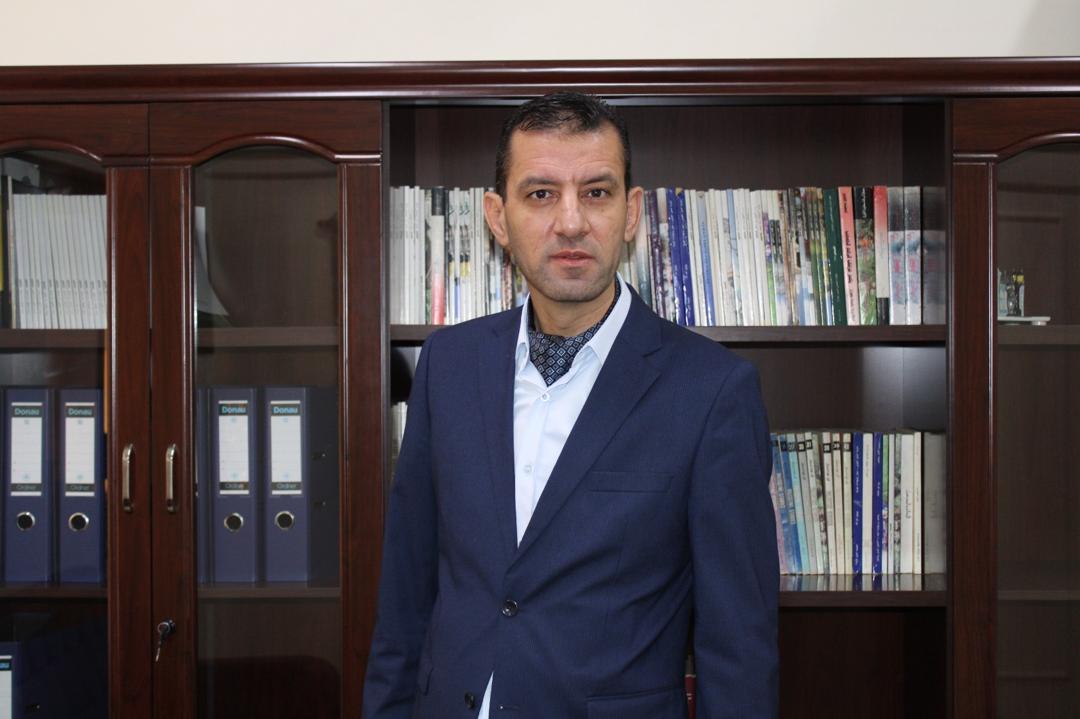
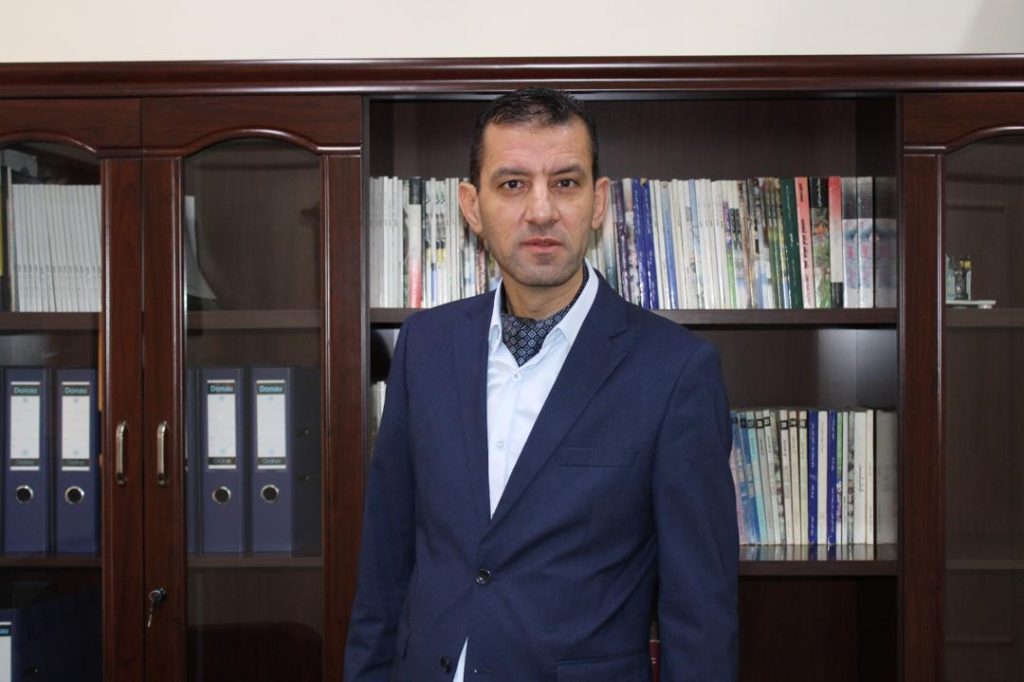
The State of Palestine Ambassador to Zimbabwe, Dr Tamer Almassri
BY MUNYARADZI BLESSING DOMA
The State of Palestine has called on the international community to take immediate and coordinated action to address the worsening humanitarian crisis in the Gaza Strip, with particular emphasis on emergency shelter, healthcare, sanitation and the restoration of essential services as winter sets in.
Ambassador of the State of Palestine to Zimbabwe, Dr Tamer Almassri, said urgent intervention was needed to protect millions of displaced Palestinians facing flooding, freezing temperatures and deteriorating living conditions following the first rainfall.
In a statement, Ambassador Almassri said preliminary estimates indicated that more than 70 000 tents sheltering tens of thousands of displaced people had been flooded, while walls and buildings weakened by Israeli bombardment had collapsed, leaving civilians injured.
He said the unfolding crisis required more than expressions of concern, urging the international community, the United Nations and its specialised agencies, as well as humanitarian and relief organisations, to translate their commitments into immediate action.
“The international community has the means and the responsibility to act,” said Ambassador Almassri.
He called for immediate pressure on Israel to open all crossings and guarantee the unrestricted and sustained entry of humanitarian assistance in sufficient quantities to reach all parts of Gaza.
The State of Palestine also identified the urgent entry of fuel and equipment to restore the operation of water and sewage systems, remove accumulated floodwater and wastewater, and prevent further deterioration of sanitary conditions.
On shelter, the country called for the provision of emergency temporary housing, weather-resistant tents, waterproof materials and supplies to repair damaged buildings, as thousands of displaced families remain exposed to harsh weather conditions.
It also urged humanitarian organisations to prioritise winter clothing, blankets, mattresses and safe heating supplies, particularly for children, infants, older persons and patients who are among the most vulnerable.
The calls further extend to an urgent health and preventive response, including the delivery of medicines, medical supplies, clean water and sanitation materials to prevent possible disease outbreaks.
Essential logistical and technical equipment should also be allowed into Gaza to support municipalities, civil defence teams and humanitarian responders in protecting civilians and responding to emergencies.
Ambassador Almassri said the first rainfall had exposed the scale of the challenges facing displaced Palestinians, with nearly two million people enduring difficult humanitarian conditions across approximately 270 000 tents and displacement sites throughout the Gaza Strip.
An estimated 60 to 85 percent of the tents are reportedly worn out and unfit for use, while more than 400 000 displaced people are living in particularly vulnerable areas exposed to flooding, rainwater accumulation and coastal hazards.
The situation has been compounded by the destruction of sewage and rainwater drainage networks, leaving communities exposed to flooding and wastewater contamination.
Children, older persons and patients are also struggling to access adequate winter clothing, blankets, mattresses and safe heating, while electricity outages and fuel shortages are increasing their exposure to cold-related illnesses.
The State of Palestine maintains that the worsening conditions are not simply a consequence of severe weather but are linked to prolonged conflict, widespread infrastructure destruction, continued displacement and restrictions on essential humanitarian assistance.
It further called for the implementation of relevant United Nations Security Council resolutions, including Resolutions 2720 and 2803, which it says Israel continues to obstruct.
Ambassador Almassri emphasised that the international community must exert immediate pressure to ensure the implementation of these resolutions and guarantee unhindered humanitarian access.
He warned that leaving nearly two million Palestinians exposed to rain, flooding, freezing temperatures and sewage without adequate shelter or basic necessities would expose them to preventable suffering and loss of life.
The State of Palestine reiterated that the time for action was now, stressing the need for coordinated international intervention to save lives and address the escalating humanitarian and environmental crisis.