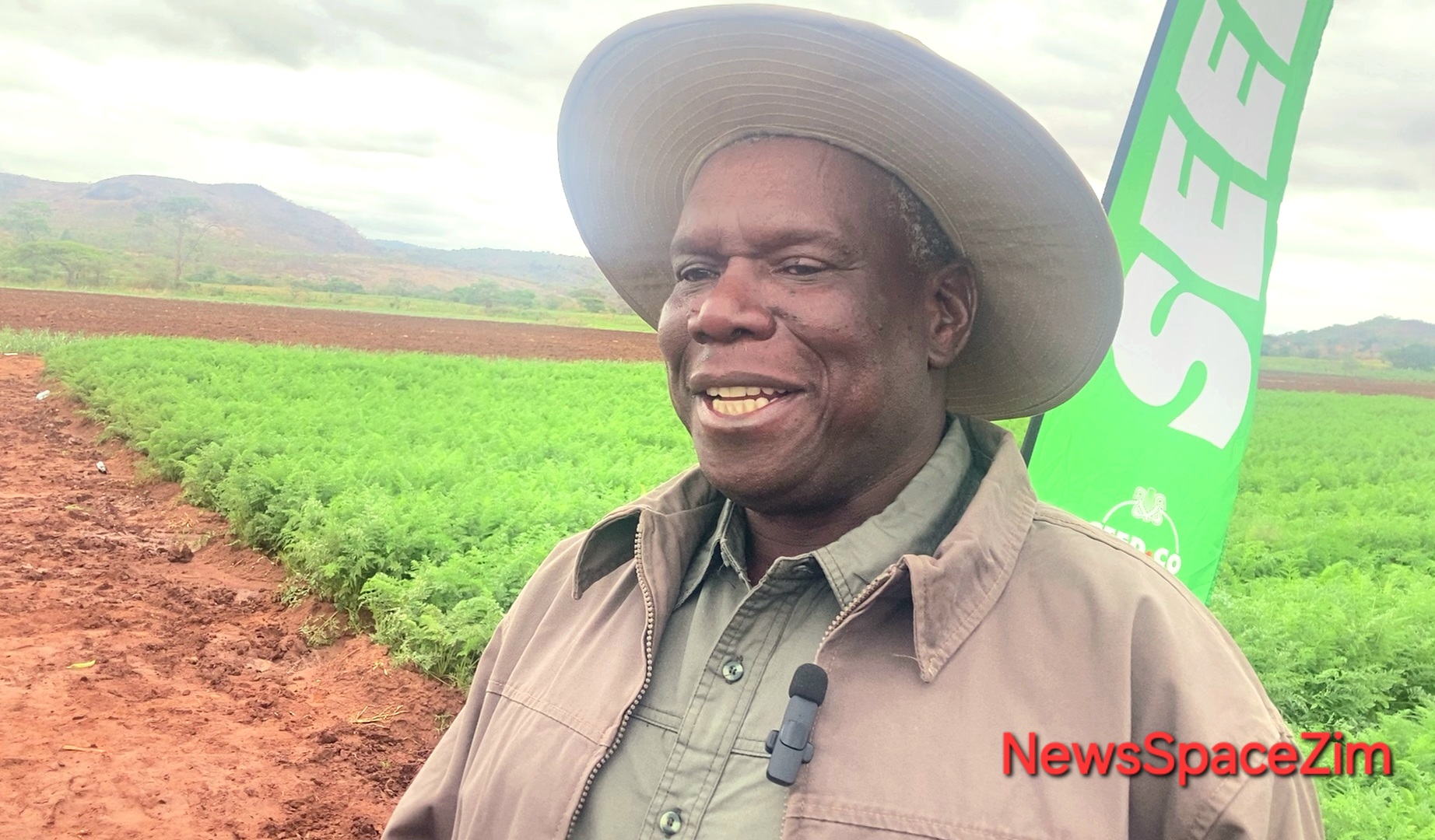
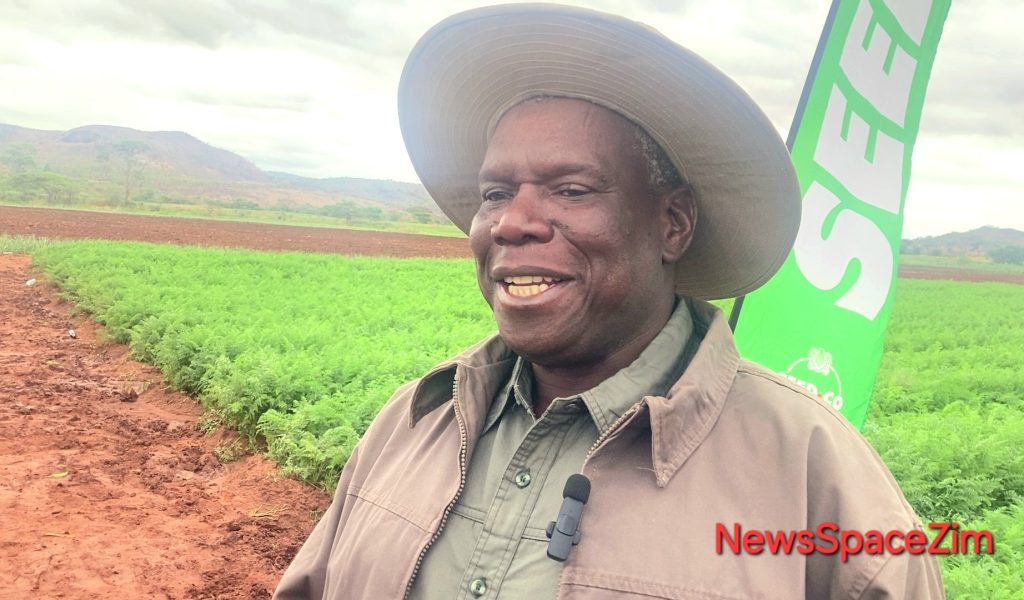
Charles “Sahwira” Nyandoro
BY MUNYARADZI BLESSING DOMA
Commercial farmer Charles Nyandoro, popularly known as Sahwira, says dedication, attention to detail and a hands-on approach are key to success in farming.
Sahwira, who started farming in 2024, said farmers should closely monitor every stage of production, from planting to harvesting, to achieve good yields and maximise profits.
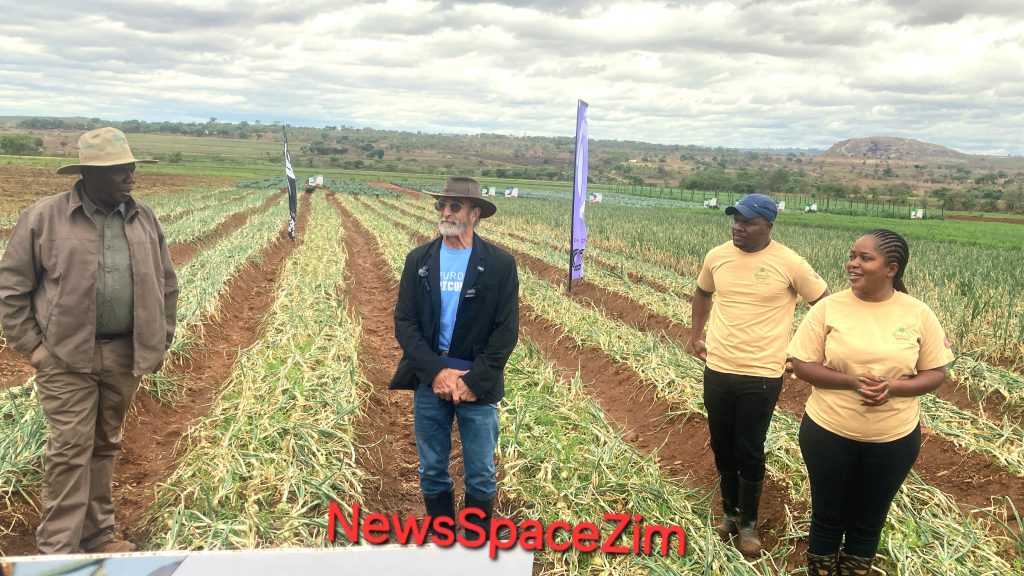
He said this at the Arcturus Winter Field Day held at his farm on Wednesday, where he shared his farming experience and encouraged farmers to remain actively involved in their operations.
“You need to adhere to detail, that’s the secret. “You need to be there. Whenever they are spraying, you should be there. When they are applying fertiliser, you need to be there and use the correct measurements. You also need to write notes on what you will be doing,” said Sahwira.
He said farmers should follow up on their crops throughout the season, warning that a lack of supervision could affect production.
“Follow up until the end of the season. If you don’t follow up, things will just fall apart,” he said.
Sahwira also urged farmers to conduct soil sampling to establish the nutrients required by their soils and avoid unnecessary losses through inappropriate fertiliser application.
“If you do it properly, things will tick, crops will grow nicely and give you profit.”
Despite having started farming just two years ago, Sahwira said he had recorded success with all the crops he had grown, attributing his progress to close supervision and proper farming practices.
He addes that he supplies his produce to several local supermarkets, hotels and farmers’ markets, while his cabbages have also found a market in Mozambique.
Sahwira said he started off as a Production Manager at a farm, before he decided to start his own farming business.
And when he started his venture, he started off with kitchen herbs, which gave him good income.
“At that time, I was growing kitchen herbs like celery, parsley and coriander, and I was getting an income of about US$2 000 per week.
“That inspired me to expand my farming programme. I then started growing cabbages and had a good income. I managed to get 20 000 per hectare, and that further inspired me to start growing potatoes,” he said.
Sahwira said his first potato production venture covered 3,5 hectares and enabled him to purchase a new 95-horsepower tractor, a potato ridger, a potato lifter and other farming implements.
“This was continuously inspiring me to work hard so that I could buy more and more implements and expand my farming business.”
Sahwira now has potatoes on 10,5 hectares of land, and is optimistic about earning significant returns from the crop, driven by anticipated demand during the Christmas season.
He said he had invested US$100 000 in his current potato production programme and was targeting double revenue of about US$250 000, provided he achieved a good harvest and favourable market prices.
“In three to four months’ time, I will be harvesting my potatoes and selling them during Christmas time. If the prices are good, I definitely expect to get that US$250 000,” he said.
He is also expecting to generate between US$10 000 and US$15 000 from other vegetables, which include carrots, peas and onions, saying most of his customers buy directly from the farm and pay cash.
Meanwhile, Professor Gary Burnsike, Assistant Director for Programme Development at Purdue University in the United States, who attended the field day, applauded Sahwira for his farming achievements.
“I’m very impressed with Charles. Charles is a really good farmer. We need to recognise the beautiful harvest he has and the demonstration of these beautiful onions that are here for you to see,” said Prof Burnsike.