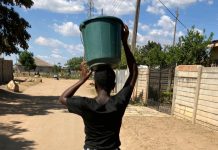

Remember
BY MUNYARADZI BLESSING DOMA
The path from surviving sex work, to entrepreneurship and mentorship, has not been easy for 33-year-old Remember (named changed to protect her identity) but her story reflects pain, resilience, eventual hope and inspiration.
Remember’s life began to change in 2016 when she moved Seke Rural to Beitbridge seeking employment as a housemaid.
And like many young women migrating in search of work, she hoped for stability but she instead found hardship and mistreatment in the household where she worked.
By 2018, frustration and economic pressure had pushed her into a corner and she had to think fast.
She applied for a passport in Gwanda as she hoped that travel would open better opportunities. But she didnt get money to go to South Africa and buy goods for resale.
What followed was a painful moment, as her boss accused her of stealing money, an allegation she strongly denied. The dispute escalated and police were called in.
“I had never taken any money, but she did not believe me and members of the CID beat me me up, but I kept on saying I’m innocent,” she said, as she fought tears from trickling down her cheeks.
After feeling rejected and betrayed, Remember boarded a bus to her rural home in Seke; uncertain about her future.
As fate would have it, her friend later offered her a cooking job at the rank and after some time, she decided to go back to Beitbridge, where she thought life would be better.
It was now around 2018, that she decided to engage in sex work as she soon figured that money from selling food was not enough.
While she also selling small commodities such as roll-on perfumes, bathing soaps and other household items, she was also a sex worker.
In 2019, Remember got pregnant and when she informed the man who was responsible, he rejected.
“Akandiudza kuti iwe neni takasangana pa touchline, so handizive kuti ndeyangu here. “Ndakamuudza kuti iwe uri 1 ndiwe wega wandairara naye pasina zvidziviriro (He said he wasn’t sure if he was responsible for the pregnancy since I was a sex worker, but I told him that he was the only one I had unprotected sex with).
“But he refused to hear me,” further narrated Remember.
And to support herself, she sought other temporary jobs, including working in a bottle store but she also continued being a sex worker while pregnant, charging R100 for short time.
She saved as much as she could, so that she could to prepare for the arrival of her baby.
And when her child was born, she gradually shifted to small-scale trading, buying food and basic commodities to ensure survival.
She however continued with the sex work, till a colleague in the trade, introduced her to a National AIDS Council (NAC) Key Populations programme where she found not only health services but also empowerment.
Remember narrates her story
She expressed gratitude to NAC, saying the regular mobile clinic visits helped improve the wellbeing of key populations.
“Every three months, health workers visit the community, offering treatment, reproductive health services and health monitoring.
“The programme also provided training and basic medical equipments such as blood pressure monitors, glucometers and thermometers, enabling participants to assist community members.
“And beyond health services, the programme encouraged participants to pursue hand-based income-generating projects rather than depending on sex work,” she added.
She said whilst some of her colleagues are still sex workers, she has since abandoned the trade, and has now fully embraced the message of economic empowerment and hopes to inspire other young women.
She started selling tomatoes in her rural home, but today her business venture has expanded as she now owns a shop.
She speaks openly against the harsh realities of sex work, saying it is not a sustainable livelihood.
According to her, the lifestyle exposes women to violence and emotional stress. She recalled encountering clients who would demand refunds after short-time encounters, sometimes resorting to threats and violence.
“Chandinoda kusimbisa kumhuri ye Zimbabwe, chihure hachina ndima. Zvakawoma kusangana ne vanhu 10 kana 15 pasina romance, ngatishingei kushandisa maoko edu, tinorarama nekusingapere (What I want to emphasize is that sex work is not easy, it’s really tough to have sex with 10 to 15 people without any romance. Let’s thrive to work, we will live longer healthier lives).”
She believes young Zimbabweans can build better futures by using their hands to work and create value.
“Even selling tomatoes can ensure that you don’t go to bed hungry,” she said, emphasising that people should not rely on uncertain income sources.
She encourages young women across Zimbabwe to reconsider sex work as a long-term survival strategy, arguing that determination and hard work can gradually improve life.
Today, Remember spends part of her time mentoring adolescent girls, sharing life experiences and guiding them on health, personal safety and economic independence.
Her message to young people is simple but powerful; dignity and survival are possible through patience, resilience and productive work.
While her past remains part of her story, it is no longer her defining identity.
Instead, Remember represents a journey from vulnerability to empowerment, showing that with support and opportunity, lives can be transformed.